Ever wondered what is Riot Company and why their games like League of Legends and Valorant dominate the gaming scene? This comprehensive guide dives deep into Riot Games, exploring their origins, iconic titles, unique free-to-play business model, and massive impact on esports. We'll break down how this company consistently delivers engaging experiences, fosters massive communities, and stays relevant in the ever-evolving world of gaming, especially for busy adults balancing life and play. Learn about their commitment to player experience, performance optimization, and value for money, addressing common gamer pain points from setup to social play. Discover how Riot Games has become a cornerstone of modern gaming, offering both competitive thrills and relaxed social opportunities, perfect for anyone looking to unwind or build skills without breaking the bank. Understand their role in shaping current gaming trends and how they continually innovate to keep you engaged.
What is Riot Company and what kind of games do they make?
Riot Company, officially known as Riot Games, is a leading American video game developer and publisher. They are most famous for creating free-to-play, highly competitive online multiplayer games. Their flagship title, League of Legends, is a Multiplayer Online Battle Arena (MOBA), and they also developed Valorant, a tactical first-person shooter. They've expanded into auto-battlers like Teamfight Tactics and card games like Legends of Runeterra, all designed to be engaging, skill-based experiences for a global audience.
How can I download and start playing games from Riot Games?
Getting started with Riot Games is simple and free. First, create a universal Riot account on their official website. Then, download the Riot Client, which acts as a central launcher for all their PC games. From the client, you can download and install games like League of Legends or Valorant. Most games include in-depth tutorials to help new players learn the ropes, making the initial setup smooth for anyone new to their ecosystem.
Are Riot Games' titles truly free-to-play, or are there hidden costs?
Riot Games' core titles are genuinely free to download and play from start to finish, with no hidden costs to access fundamental gameplay. Their business model relies entirely on optional cosmetic microtransactions, such as character skins, emotes, and weapon designs. These purchases customize your in-game appearance but provide absolutely no competitive advantage, ensuring a fair playing field for all players regardless of their spending habits.
What makes Riot Games unique in the competitive gaming landscape?
Riot Games stands out due to its unwavering commitment to the player experience, robust esports ecosystem, and continuous game development. They revolutionized the free-to-play model by focusing on cosmetics, fostering massive, engaged communities around their titles. Their heavy investment in professional esports, high-quality production values, and responsive updates based on player feedback create a dynamic, evolving gaming world that keeps players deeply invested for years.
Can I play Riot Games on my mobile device, and do they support cross-play?
Yes, Riot Games has a strong presence on mobile. League of Legends: Wild Rift offers a tailored MOBA experience for smartphones, and Teamfight Tactics and Legends of Runeterra are also fully playable on mobile devices, often supporting cross-play with PC users. This flexibility allows gamers to enjoy their titles on the go, seamlessly transitioning between platforms depending on their availability.
How does Riot Games maintain a fair and non-toxic environment in its games?
Riot Games prioritizes player well-being by implementing advanced anti-cheat systems like Valorant's Vanguard, comprehensive in-game reporting tools, and strict disciplinary actions against rule-breakers. They also foster positive community initiatives and actively engage with player feedback to refine their systems, aiming to reduce toxicity and ensure a fun, respectful, and fair competitive atmosphere for everyone.
What future projects or expansions are expected from Riot Games?
Riot Games is continuously innovating. Beyond regular updates to their existing titles, they are actively developing new games, including 'Project L,' an upcoming fighting game set in the League of Legends universe. They are also expanding their universe through transmedia projects like the acclaimed animated series 'Arcane,' suggesting a future with diverse genre exploration and richer storytelling across various platforms.
Balancing work, family, and personal life with a passion for gaming can feel like navigating a boss battle with limited health. You want to unwind, connect with friends, maybe even sharpen your skills, but you have no time for complicated setups, frustrating performance issues, or games that demand a constant cash injection. You crave quality, value, and a community that gets it. This is where understanding companies like Riot Games, often referred to as 'Riot Company' by many, becomes incredibly relevant. In 2026, with an estimated 87% of US gamers regularly playing over 10 hours a week, and mobile gaming continuing its dominance, finding games that fit your lifestyle is crucial. Riot Games has carved out a unique space, offering highly polished, often free-to-play titles that cater to both the casual player looking for a quick match and the dedicated enthusiast climbing competitive ladders. We're here to cut through the hype and give you the practical insights into what Riot Company is, what they offer, and how their ecosystem can enhance your gaming life without adding extra stress.
You might have heard whispers of their massive esports events, seen friends glued to their screens playing a game that looks both intense and engaging, or perhaps you're just looking for a new, reliable gaming hub. This article is your guide to demystifying Riot Games. We’ll cover everything from their flagship titles and their smart business model to their commitment to community and what the future holds. Our goal is to provide clear, actionable information so you can decide if Riot's offerings are the right fit for your valuable gaming time, helping you avoid common pain points and make the most of your digital escapes.
What Exactly is Riot Games (Often Called Riot Company)?
Riot Games, colloquially known as 'Riot Company' by its vast player base, is an American video game developer, publisher, and esports tournament organizer. Founded in 2006 by Brandon Beck and Marc Merrill, Riot Games set out with a mission to be the most player-focused game company in the world. They revolutionized the gaming industry by popularizing the free-to-play model for competitive online games, demonstrating that players would invest in cosmetic items rather than pay a hefty upfront price or subscription. This approach made their games accessible to millions globally, fostering unprecedented growth and community engagement.
Headquartered in Los Angeles, California, Riot Games has grown into a global powerhouse with offices worldwide, supporting a truly international player community. They are renowned not just for their games but also for their commitment to player feedback, continuous content updates, and building rich, evolving universes around their titles. Their focus extends beyond just game development, encompassing music, animation, and comprehensive esports infrastructure, creating a complete entertainment ecosystem around their core intellectual properties.
What Are Riot Games' Most Popular Titles and Why Do Gamers Love Them?
Riot Games boasts a portfolio of highly successful and critically acclaimed titles, each with a dedicated following. Their flagship game, League of Legends (LoL), launched in 2009, remains one of the largest PC games in the world, a colossal multiplayer online battle arena (MOBA) where two teams of five powerful champions battle to destroy the opposing team's base. Players are drawn to its deep strategic complexity, diverse cast of characters, and constant updates that keep the meta fresh. For many busy adults, LoL offers both quick bursts of team-based action and the opportunity for skill mastery, making those precious gaming hours feel truly rewarding.
Another titan in their arsenal is Valorant, a tactical first-person shooter (FPS) released in 2020. Valorant blends precise gunplay reminiscent of Counter-Strike with unique character abilities similar to hero shooters. Its intense 5v5 gameplay, focus on team coordination, and robust anti-cheat system have made it a favorite for competitive gamers. It appeals to those seeking a high-skill ceiling and a fair competitive environment. Beyond these, Riot also offers Teamfight Tactics (TFT), an auto-battler strategy game set in the LoL universe, and Legends of Runeterra (LoR), a collectible card game that expands on the rich lore. TFT, in particular, has become a popular choice for gamers looking for a more relaxed, strategic experience that still offers depth and a sense of progression, ideal for unwinding after a long day.
How Does Riot Games Make Money Since Many of Their Games Are Free?
Riot Games' financial success is primarily built on the free-to-play (F2P) business model, skillfully executed through microtransactions. Instead of charging for the game itself, Riot offers cosmetic items that enhance the player's experience without conferring any gameplay advantages. This includes champion skins, weapon skins, emotes, player icons, and other personalization options. For instance, in League of Legends and Valorant, players can purchase 'Riot Points' or 'Valorant Points' respectively, which are then used to acquire these cosmetic upgrades.
This strategy is incredibly effective because it leverages a strong community and the human desire for self-expression and customization. Players are happy to spend money on items that make their favorite characters look cool or their weapons unique, knowing that everyone has access to the same core gameplay. This month's data continues to show that the F2P model, especially with compelling cosmetics, drives significant revenue for publishers, proving its sustainability. Riot also earns revenue from esports sponsorships, merchandise sales, and partnerships, further diversifying its income streams. This model ensures that anyone can try their games, creating a massive potential player base, and then convert a segment of those players into paying customers through desirable, non-essential purchases.
Is Riot Games Good for Casual Players or Only Hardcore Competitors?
While Riot Games has a reputation for fostering highly competitive environments, particularly in League of Legends and Valorant, their ecosystem is surprisingly welcoming to casual players as well. For the casual gamer who balances a job and family, the ability to jump into a quick game without a huge time commitment is key. LoL offers various game modes beyond ranked play, such as ARAM (All Random All Mid) and Rotating Game Modes, which provide shorter, more chaotic, and less stressful experiences. Valorant also has unranked matches and deathmatch modes, perfect for warming up or just enjoying some shooting action without the pressure of competitive rankings.
Moreover, games like Teamfight Tactics (TFT) are explicitly designed with a more relaxed, strategic pace in mind. You can play a full game of TFT in about 30-40 minutes, making it ideal for a lunch break or winding down before bed. The vibrant communities surrounding these games also offer opportunities for social play without intense competition. Many players engage through Discord servers, finding like-minded individuals for casual matches or simply to chat about the game. Riot's continuous updates often include features and content appealing to both competitive and casual audiences, ensuring there's something for everyone. This month's trends indicate a growing interest in social and cozy gaming, a space Riot cleverly taps into through its diverse offerings and community features.
How Can I Get Started with Riot Games if I'm New to Their Ecosystem?
Getting started with Riot Games is straightforward, designed to be as user-friendly as possible, which is a huge plus for busy gamers. Here's a simple guide:
Create a Riot Account: This is your central hub for all Riot Games. Visit the official Riot Games website and sign up. It's free and necessary for playing any of their titles. Make sure to choose a memorable username and a strong password.
Download the Riot Client: Once you have an account, download the universal Riot Client. This application acts as a launcher for all Riot's PC games, including League of Legends, Valorant, and Teamfight Tactics. It keeps your games updated automatically, saving you time and hassle.
Choose Your First Game:
For strategic team play: Try League of Legends. It has a learning curve, but the 'Beginner Bots' and 'Normal' queues are great places to start. There are tons of community guides and YouTube tutorials available.
For tactical FPS action: Dive into Valorant. Its gunplay is familiar to FPS veterans, and the 'Unrated' mode lets you learn without rank pressure. Utilize the practice range to get a feel for agents and weapons.
For relaxed strategy: Teamfight Tactics is an excellent entry point. It's less mechanically demanding and more about smart decision-making. The tutorial is comprehensive, and games are generally shorter.
Utilize In-Game Tutorials: Each game has built-in tutorials that guide you through the basics. Don't skip these; they're designed to get you up to speed quickly.
Connect with the Community: Join official forums, Discord servers, or subreddits for your chosen game. The Riot community is generally helpful, and finding others to play with can significantly enhance your experience. Many busy adults find their gaming social circle through these channels, balancing their digital life with real-world commitments.
Riot's games are generally well-optimized for a range of hardware, meaning you often don't need the latest graphics card to enjoy them. This is a big win for budget-conscious gamers looking for value.
What is Riot Games Doing in Esports and Why Does It Matter to Players?
Riot Games is not just a game developer; they are a pioneer and titan in the esports industry. Their approach to competitive gaming has profoundly shaped how esports is organized and consumed globally. For players, this extensive investment in esports matters for several key reasons:
Professional Pathway: Riot's structured league systems, such as the League of Legends Championship Series (LCS) in North America, the League of Legends European Championship (LEC), and the Valorant Champions Tour (VCT), provide a clear pathway for aspiring pro gamers. For highly skilled players, it represents a legitimate career opportunity, complete with team salaries, prize pools, and global recognition.
High-Stakes Entertainment: Even if you're not a pro, watching Riot's esports events is incredibly engaging. The production quality, passionate casters, and incredible plays make for top-tier entertainment. For many gamers, tuning into a LoL Worlds Championship or a Valorant Masters event is akin to watching the Super Bowl – it's a social event, a chance to cheer for your favorite teams, and a way to stay connected to the cutting edge of gameplay strategy. This month's esports viewership numbers continue to soar, reflecting the deep engagement these events command.
Game Development Influence: The intense competition at the professional level often highlights areas for game balance adjustments, bug fixes, or new feature ideas. Riot Games closely monitors pro play, using it as a proving ground to refine their titles, ensuring a continuously evolving and fair gameplay experience for everyone.
Community Building: Esports acts as a massive unifying force. It gives players common heroes to root for, shared moments of triumph and defeat, and endless topics for discussion. This strengthens the overall community, making the games feel more alive and dynamic. For adult gamers seeking social connection, esports provides a shared interest that transcends skill levels.
Riot's commitment to creating a sustainable and thriving esports ecosystem provides immense value, transforming their games from mere entertainment into cultural phenomena with global reach.
How Does Riot Games Support Its Player Community and In-Game Experience?
Riot Games is widely recognized for its strong emphasis on community support and enhancing the in-game experience, a critical factor for maintaining player loyalty, especially among a demographic that values reliability and responsive service. They achieve this through several key initiatives:
Regular Content Updates: All of Riot's major titles receive frequent patches, balancing changes, new champions/agents, maps, game modes, and cosmetic items. This constant influx of fresh content keeps the games engaging and prevents stagnation. For gamers with limited time, knowing that the game they invest in is continuously evolving adds significant value.
Responsive Player Support: Riot provides robust customer service through its support website, offering comprehensive FAQs, troubleshooting guides, and direct ticket submission for personalized assistance. They address common pain points like account issues, technical glitches, and billing inquiries efficiently. This dedication to support means less frustration and more gaming time for you.
Anti-Cheat Measures: Particularly in competitive titles like Valorant, Riot invests heavily in anti-cheat technology (e.g., Vanguard) to ensure fair play. A level playing field is paramount for a positive experience, especially for serious players who invest time in skill building. This commitment reduces the negative impact of cheaters, a major pain point for many online gamers.
Community Engagement: Riot actively engages with its player base through official forums, social media channels, developer blogs, and 'Ask Riot' Q&A sessions. They listen to feedback, acknowledge community concerns, and often implement changes based on player sentiment. This direct communication fosters a sense of ownership and belonging within the community.
Lore and World-Building: Riot expands its game universes through comics, animated series (like the critically acclaimed Arcane), music videos, and cinematic trailers. This rich lore deepens players' connection to the characters and worlds, making the experience more immersive and providing additional entertainment beyond gameplay.
Accessibility Features: Riot continually works on accessibility, offering options like colorblind modes, customizable keybindings, and scalable UI elements to ensure their games are enjoyable for a broader audience. This inclusive approach reflects a modern understanding of diverse player needs.
By prioritizing these aspects, Riot ensures that playing their games is not just about the matches themselves, but about being part of a vibrant, supported, and evolving ecosystem.
What Are the Future Trends and Innovations from Riot Games to Watch Out For?
Riot Games consistently pushes the boundaries of gaming, and 2026 sees them continuing to innovate across several fronts. For players, especially those who like to stay current without chasing every fleeting trend, these developments are exciting:
Expansion into New Genres: While known for MOBA and FPS, Riot is actively exploring new genres. They have several unannounced projects and have shown interest in fighting games (Project L) and potentially other RPG or single-player experiences set within their existing universes. This means more diverse ways to engage with the rich lore and characters you already love, offering varied experiences to fit different moods.
Cross-Platform Play and Mobile Dominance: Riot already has strong mobile presences with Wild Rift (League of Legends on mobile) and Legends of Runeterra. Expect further integration and optimization for mobile devices, along with enhanced cross-play functionalities where appropriate. This is crucial for busy gamers who often switch between PC and mobile depending on their schedule and location, ensuring they can game wherever and whenever.
AI and Machine Learning Integration: Riot is leveraging AI for everything from anti-cheat systems to personalized player experiences and even in-game performance analysis tools. This translates to fairer gameplay, more relevant content, and smarter assistance for players looking to improve their skills efficiently. Imagine AI-powered coaching that understands your playstyle!
Enhanced Social Features and Connectivity: As social gaming continues to thrive, Riot is expected to roll out more sophisticated in-game social tools, better voice chat options, and improved integration with platforms like Discord. This makes it easier to connect with friends, form teams, and socialize within their games, addressing the desire for meaningful online interaction that many adult gamers seek.
Interactive Lore and Storytelling: Building on the success of Arcane, Riot will likely invest further in transmedia storytelling, blurring the lines between games, animation, and other forms of media. This provides deeper immersion into their worlds and offers new avenues for engagement beyond competitive play, perfect for those who enjoy a rich narrative.
Sustainability and Player Well-being: Expect continued focus on player mental health, combating toxicity, and promoting healthy gaming habits. Riot understands that a positive environment is key to long-term success and player retention. These initiatives ensure a more enjoyable and less stressful gaming experience.
These trends indicate Riot's commitment to not just making great games, but also creating a holistic and evolving entertainment ecosystem that adapts to the modern gamer's needs and preferences.
FAQ Section
What types of games does Riot Games develop?
Riot Games primarily develops competitive online multiplayer games. Their most famous titles include the MOBA League of Legends, the tactical FPS Valorant, the auto-battler Teamfight Tactics, and the digital collectible card game Legends of Runeterra, all free-to-play.
Is Riot Games free to play?
Yes, the core games developed by Riot Games, such as League of Legends, Valorant, and Teamfight Tactics, are all free to download and play. Their revenue comes from optional in-game purchases of cosmetic items like character skins and emotes.
Can I play Riot Games on my mobile phone?
Absolutely. Riot Games offers mobile versions of some of its popular titles, most notably League of Legends: Wild Rift, a streamlined version of LoL for mobile, and Legends of Runeterra. Teamfight Tactics is also available on mobile platforms, often featuring cross-play with PC.
How does Riot Games handle player toxicity and cheating?
Riot Games employs various systems to combat toxicity and cheating, including robust anti-cheat software like Vanguard for Valorant, in-game reporting tools, disciplinary actions, and community-driven initiatives. They continuously update these systems to maintain fair and positive gaming environments.
Are Riot Games titles good for beginners?
While some Riot Games titles, particularly League of Legends and Valorant, have a learning curve due to their depth and competitive nature, they offer extensive tutorials, unranked modes, and active communities that welcome new players. Games like Teamfight Tactics are generally more beginner-friendly.
What is Project L?
Project L is Riot Games' upcoming fighting game, set in the League of Legends universe. It's a highly anticipated title that will feature iconic champions from LoL in a 2D tag-based fighting game format, aiming to bring Riot's competitive flair to the fighting game genre.
In summary, understanding what Riot Company is boils down to recognizing a gaming giant that has mastered the art of free-to-play, community engagement, and competitive esports. They offer deep, evolving experiences that respect your time and budget, whether you're looking for intense competition or a relaxing strategic session. From League of Legends to Valorant, and their expanding universe of mobile titles, Riot is committed to providing high-quality entertainment and fostering vibrant communities. For gamers balancing life's demands, Riot offers accessible, rewarding, and constantly updated worlds to explore and conquer. What's your biggest gaming challenge when balancing life and play? Comment below and share your thoughts!
Riot Games is a leading video game developer and publisher, best known for League of Legends, Valorant, and Teamfight Tactics. They revolutionized the free-to-play model, focusing on microtransactions for cosmetics rather than pay-to-win. Riot has built a massive global esports ecosystem around their titles, generating significant viewership and professional opportunities. The company is celebrated for deep lore, continuous game updates, and strong community engagement, often addressing player feedback directly. They emphasize accessibility across various platforms, including PC and mobile, and cross-play functionality where applicable, catering to a diverse player base.
35

RIOT Q1 2026 Earnings Report On 4 30 2026 1 . Riot Announces First Quarter 2026 Production And Operations Updates Riot Share Image 1 . Riot Games Unveils TFT S Unified 2026 Roadmap Inven Global . Riot Announces First Quarter 2026 Earnings Conference Call The Manila 1017101 . Riot Releases Pacific Kickoff Bracket And Full Primer For 2026 Season



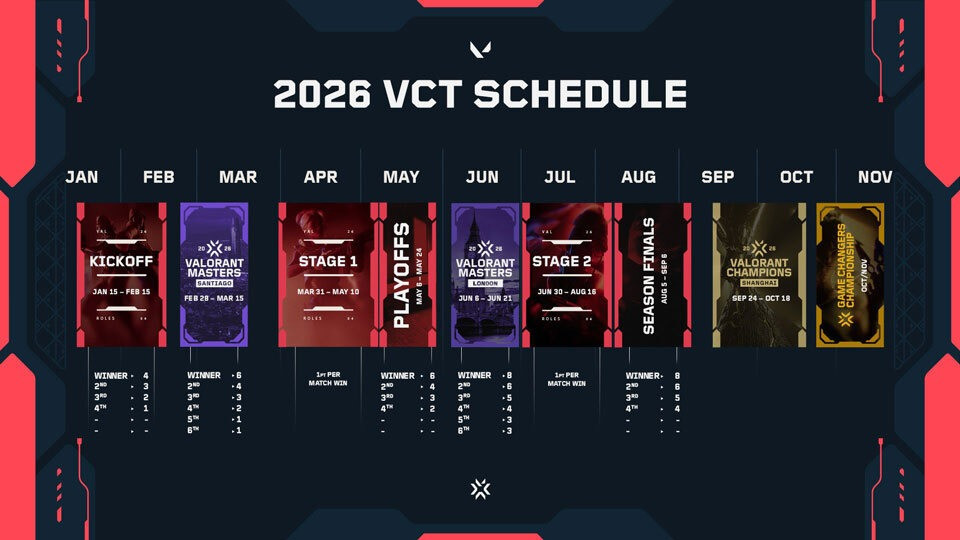
Riot Games Reveals Full 2XKO Esports Roadmap For 2026 2xko 2026 Esports Roadmap 2048x1152 . Riot Games Reveals Complete VCT 2026 Schedule And Format Riot Games Reveals Complete Vct 2026 Schedule And Format . Riot Games Announces ERL 2026 Rules Major Shifts And Schedule Riot Games Announces ERL 2026 Rules Major Shifts And Schedule Confirmed 4 . Riot Games Announces ERL 2026 Rules Major Shifts And Schedule Riot Games Announces ERL 2026 Rules Major Shifts And Schedule Confirmed . Riot Games Reveals 2026 LCS Season Format Riot Games Reveals 2026 Lcs Season Format
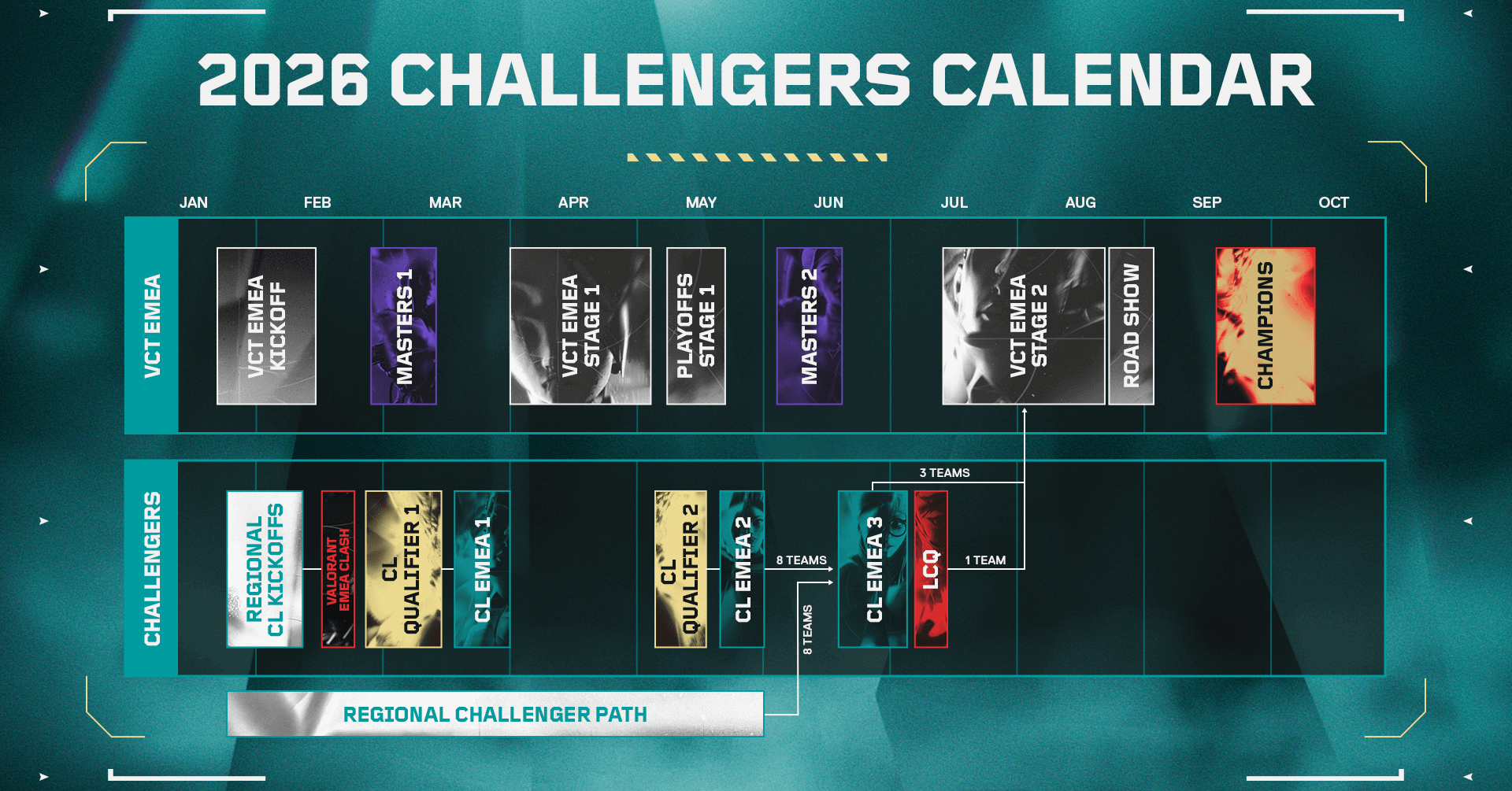

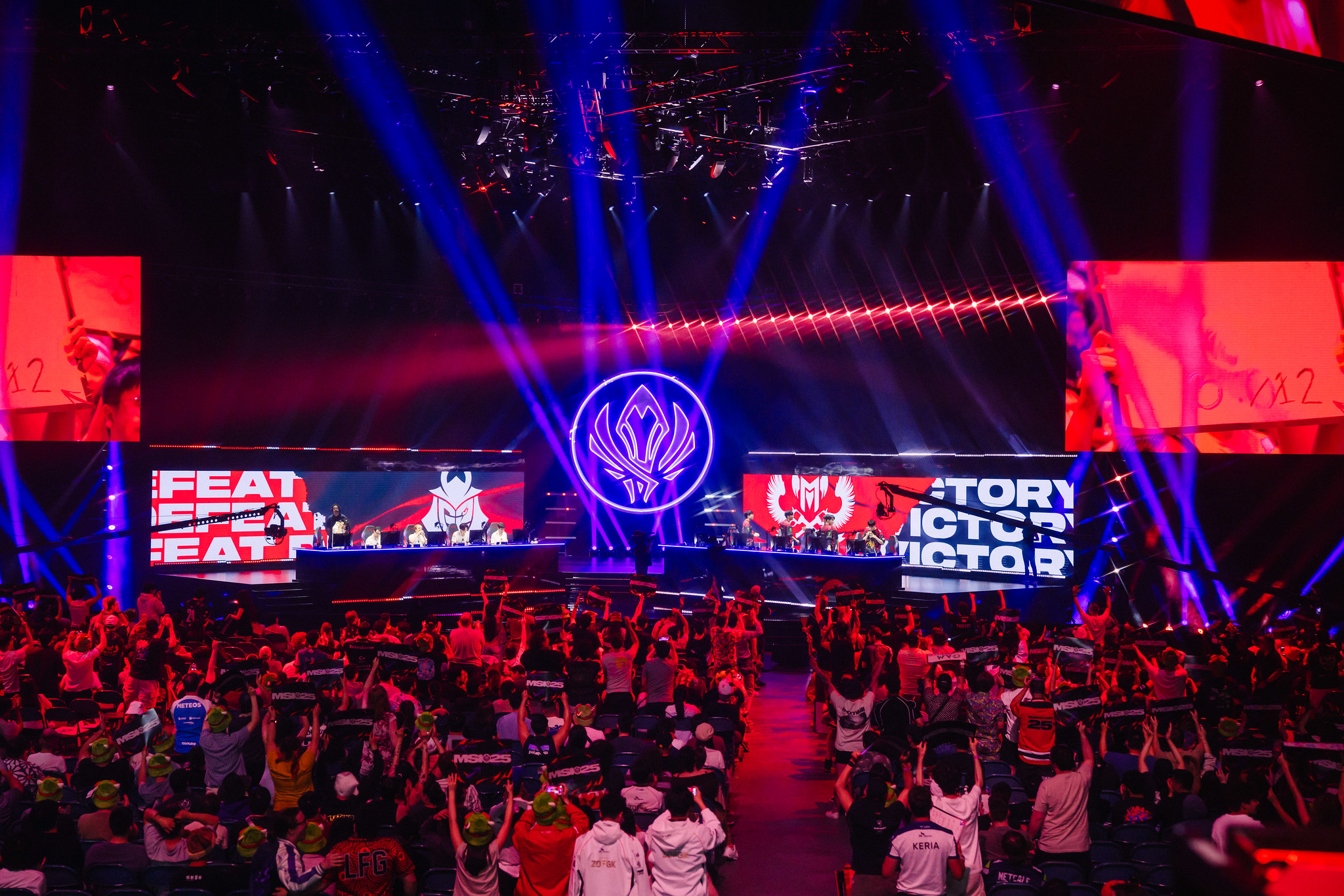
Riot 2026 Format Introduces EMEA Clash VLR Gg . Riot Confirma Sedes Para 2026 Worlds First Stand Y MSI Listos Videojuegos . Riot Games Announces Major Changes To The 2026 VALORANT Champions Tour . Riot 2026 Format Introduces EMEA Clash VLR Gg . Riot Games Anuncia Novo Torneio Das Am Ricas Para 2026 Image 37

Riot Platforms Reports Third Quarter 2025 Financial Results 5c443e29 653d 42d3 9182. What Is Growth Strategy And Future Prospects Of Riot Company Growth Strategy . Riot Platforms Inc RIOT Discusses Milestones And 1 . Riot Announces VALORANT Game Changers North America 2026 Roadmap SCCG Riot Announces Valorant Game Changers North America 2026 Roadmap 1 . Riot Blockchain Stock A Guide For Investors In 2026 Screenshot 2026 03 31 125801 C48e9dccb8


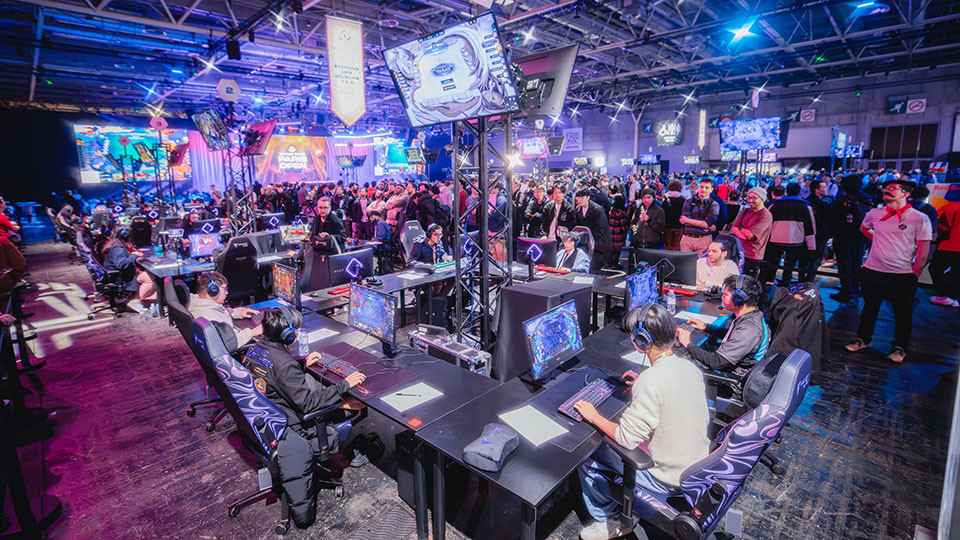
Riot Platforms Sells 3 778 BTC In Q1 2026 Generates 289 5 Million In Riot Platforms 1 1536x1024 . Riot Reveals Valorant 2026 Path To Champions A More Inclusive Global Vision For Valorant Esports . RIoT State Of The Region 2026 RIoT State Of The Region Feb 2026 16x9 Horz Scaled . Riot Pixels 2026 Company Profile Team Funding Competitors Tracxn Riot Pixels Overview. Riot Games Unveils TFT S Unified 2026 Roadmap Inven Global


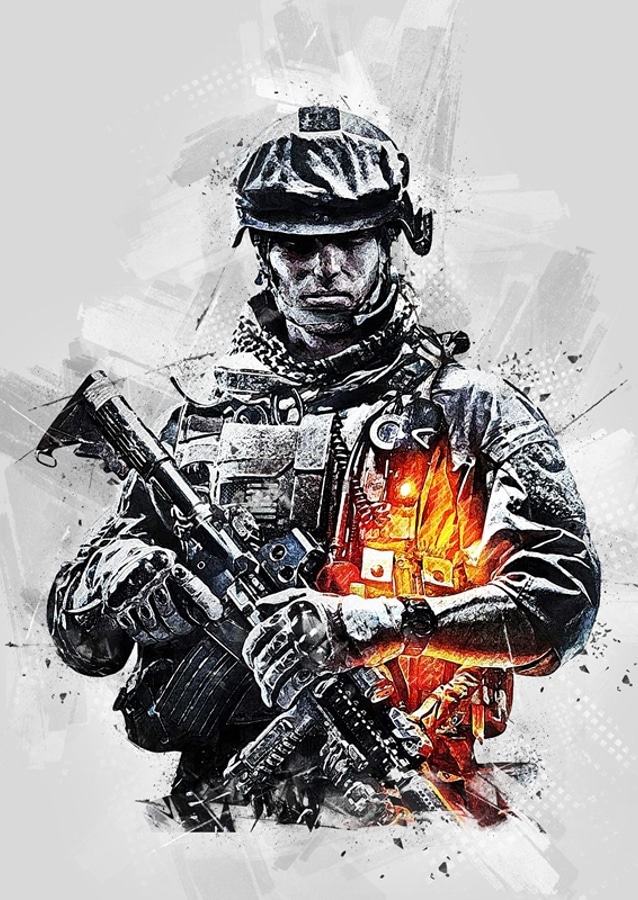

Riot Fest 2026 On Sale Now RIOT FEST 2026 ANNOUNCE HORIZ . Riot Games 2026 Tournaments A Guide For Australian Esport Fans WhatsApp Image 2025 11 19 At 17.52.37 Fccbec50 . Riot Games Announce ERL 2026 Dates And Changes 185636 . Riot Fest 2026 Lineup Revealed Tool Twenty Pilots Pierce The Veil. Riot Games Announce ERL 2026 Dates And Changes IEM Krakow 2026 Hall Of Heroes



Riot Games Esports Betting What Changes For Valorant In 2026 Gamer Org A Sleek Esports Betting Thumbnail Design YT 1024x574 . Riot Games To Announce New VALORANT Agent And 2026 VCT Plans At Riot Games To Announce New VALORANT Agent And 2026 VCT Plans At Valorant Champions 5 . RIOT Riot Platforms Inc Stock Price Forecast 2026 2027 2030 To 2050 RIOT . Riot Confirma Sedes Para 2026 Worlds First Stand Y MSI Listos Image 7.webp. Riot Games Reveals Riftbound 2026 Roadmap With New Card Sets