Navigating the world of gaming SSDs can be complex especially with so many options available today. This comprehensive guide simplifies how to choose a ssd for gaming in 2026 ensuring you get the best performance for your money without unnecessary hype or confusion. We delve into crucial aspects like NVMe versus SATA capacities ideal speeds and budget considerations all tailored for the average US gamer balancing life work and precious gaming time. From understanding PCIe generations to futureproofing your setup this resource covers everything you need to know. Stop waiting on long load screens and start maximizing your playtime. Discover the practical tips and tricks that empower you to make an informed decision for an optimized gaming experience allowing you more time for relaxation skill building and social play. This guide provides actionable advice for busy gamers.
What is the primary benefit of upgrading to an SSD for gaming?
The primary benefit of upgrading to an SSD for gaming is significantly faster loading times for games and levels. This means less waiting and more playing, allowing busy gamers to maximize their limited leisure time and jump straight into the action.
Which type of SSD offers the best performance for modern games?
NVMe SSDs, especially those utilizing the PCIe Gen4 interface, offer the best performance for modern games. Their superior read and write speeds drastically reduce asset streaming bottlenecks, leading to smoother gameplay and quicker access to large game files compared to traditional SATA SSDs.
How much storage capacity should a gamer aim for in 2026?
For gamers in 2026, a 1TB SSD is the recommended minimum capacity. This provides ample space for the operating system and a good selection of 8-10 large modern titles, balancing cost-effectiveness with sufficient storage to avoid constant game management.
Is a PCIe Gen5 SSD a necessary upgrade for current gaming?
No, a PCIe Gen5 SSD is not a necessary upgrade for current gaming. While offering the highest speeds, the real-world gaming performance difference over a high-end PCIe Gen4 SSD is currently negligible for most titles, and Gen5 drives come with a higher price tag and specific cooling requirements.
What role does DRAM cache play in a gaming SSD?
DRAM cache in a gaming SSD helps the controller manage data mapping tables quickly, leading to more consistent performance, especially during heavy workloads or when the drive is nearly full. It contributes to snappier system responsiveness and smoother game asset loading.
Are there specific brands known for reliable gaming SSDs?
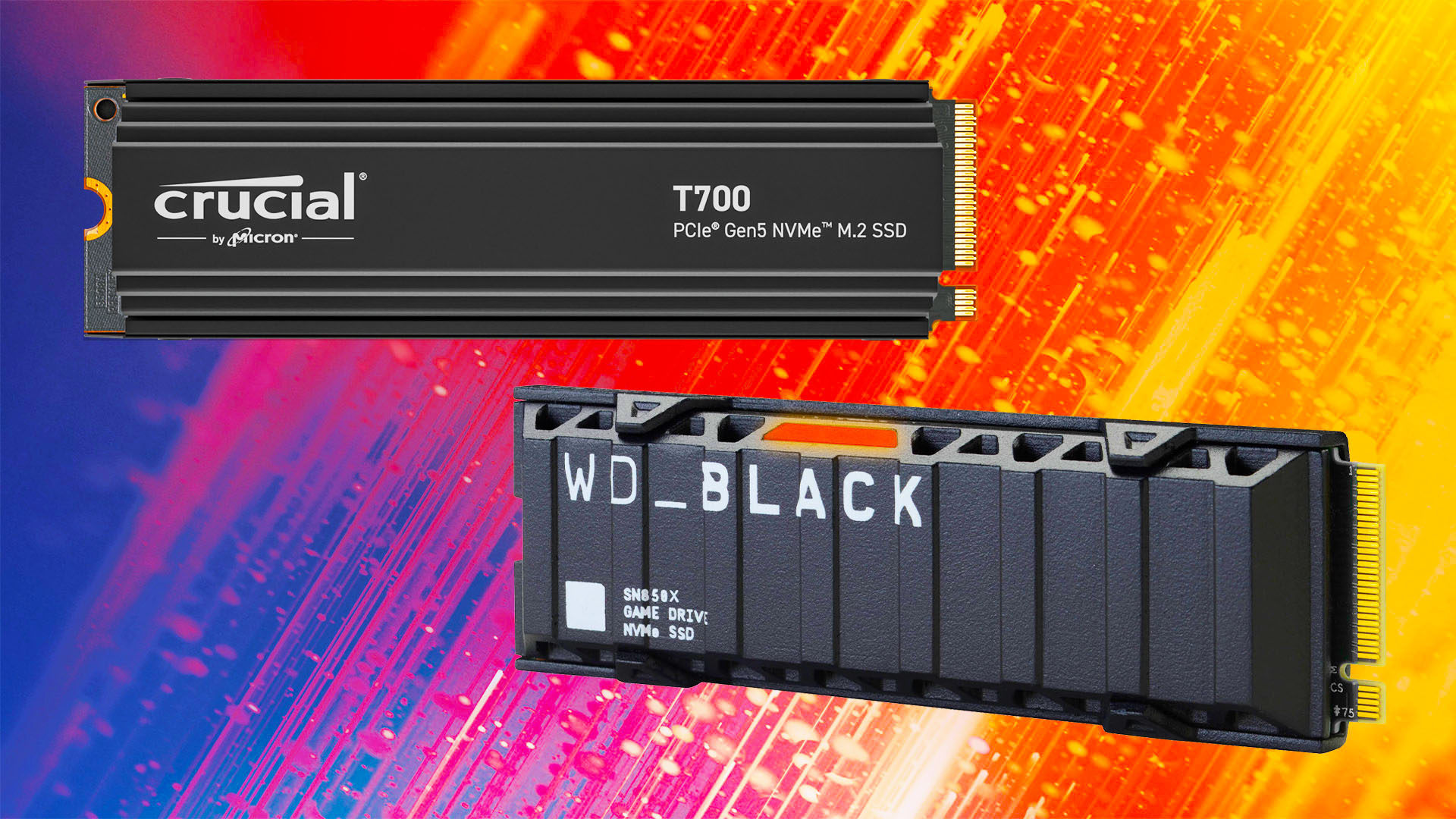
Yes, reputable brands known for reliable gaming SSDs include Samsung (e.g., 990 Pro), Western Digital (e.g., SN850X), Crucial (e.g., P5 Plus), and SK Hynix (e.g., Platinum P41). These brands consistently deliver high performance, endurance, and good customer support for gamers.
What are the key factors to consider when buying a gaming SSD on a budget?
When buying a gaming SSD on a budget, prioritize an NVMe PCIe Gen3 or a value-oriented Gen4 drive with at least 1TB capacity. Look for reputable brands offering good performance-per-dollar, potentially sacrificing the absolute top-tier speeds for a more balanced cost-effective solution that still drastically improves over HDDs.
Hey fellow gamers! Ever felt that sting of frustration watching a loading screen crawl while your precious gaming time slips away? Or maybe you've experienced those annoying stutters right when the action heats up? If you're like many US gamers, balancing a job, family, and life means your gaming moments are golden, and you want them to be as smooth and enjoyable as possible. That's why understanding how to choose a ssd for gaming is no longer a luxury it's a necessity.
We know you value relaxation, fun, skill-building, and social play, not troubleshooting hardware. With 87% of US gamers playing regularly, often clocking over 10 hours a week, and current trends favoring fast-paced titles alongside cozy social games, performance matters. A slow storage drive can ruin immersion, especially when trying to quickly jump into a Warzone match with friends or explore a vast open world like in a new RPG. This guide is built to cut through the tech jargon and give you practical, no-nonsense advice on how to choose a ssd for gaming that fits your lifestyle and budget, ensuring you spend more time playing and less time waiting.
What exactly is an SSD and why is it crucial for gaming?
An SSD or Solid State Drive is a type of storage device that uses flash memory to store data persistently, replacing the traditional spinning platters found in Hard Disk Drives HDDs. Unlike HDDs, SSDs have no moving parts which translates to significantly faster read and write speeds reduced noise and improved durability. For gaming, this means dramatically quicker game loading times faster level transitions and smoother overall gameplay. Imagine going from minutes of loading to mere seconds a huge win for anyone with limited gaming windows.
In 2026, the gap between SSDs and HDDs for gaming performance is wider than ever. While an HDD might suffice for storing older titles or media, modern games with their massive open worlds and high-resolution textures absolutely demand the speed an SSD provides. It's not just about getting into the game faster; it's about how game assets are streamed in real-time, preventing texture pop-in and maintaining consistent frame rates. Investing in a good SSD directly impacts your gaming enjoyment, making it a priority upgrade for any serious gamer.
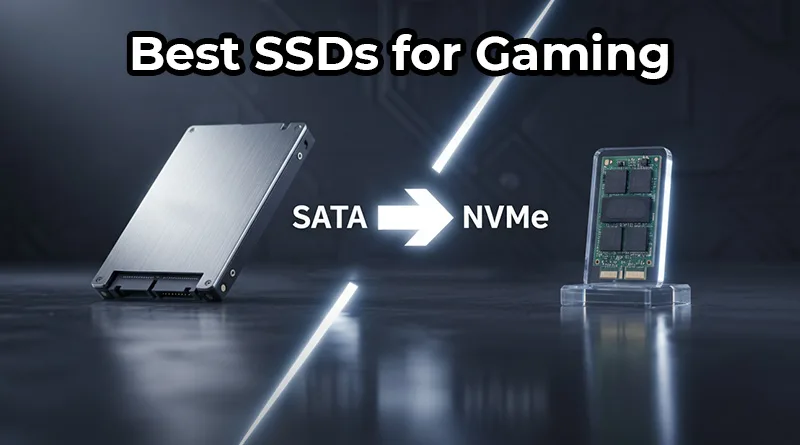
NVMe vs SATA SSDs Which is better for gaming and why?
When you're looking at how to choose a ssd for gaming, you'll primarily encounter two types: SATA and NVMe. SATA SSDs connect via a SATA cable and port, offering speeds typically around 500-600 MB/s. They represent a significant upgrade over HDDs and are generally more affordable.
NVMe SSDs on the other hand connect directly to your motherboard via a PCIe slot, specifically an M.2 slot. These drives leverage the PCIe interface for much higher bandwidth, reaching speeds from 3,500 MB/s to over 12,000 MB/s depending on the PCIe generation. For pure gaming performance, NVMe is the clear winner, especially PCIe Gen4 and the newer Gen5 drives. Modern titles are increasingly optimized to take advantage of these speeds, reducing asset streaming bottlenecks and leading to virtually instant loading in some cases. While a SATA SSD is a good budget option, NVMe offers a superior experience for the most demanding games.
Comparison: SATA vs NVMe for Gaming
| Feature | SATA SSD | NVMe SSD |
| Interface | SATA 3.0 | PCIe (M.2 slot) |
| Max Speed | ~600 MB/s | 3,500 - 12,000+ MB/s |
| Form Factor | 2.5-inch, M.2 (SATA) | M.2 |
| Cost | Lower | Higher |
| Performance for Gaming | Good upgrade from HDD | Excellent, critical for modern games |
| Compatibility | Older systems | Newer systems with M.2 PCIe slots |
How much SSD capacity do I really need for my game library?
This is a common question for gamers balancing budget and desire for a vast game library. The sweet spot for gaming SSDs today typically starts at 1TB. Many popular AAA titles now easily consume 100GB to 200GB or more each. Consider a typical gamer with around 5-10 active games at any given time plus the operating system and other applications.
- 500GB: This is an absolute minimum for a primary gaming drive. It might hold your OS and 3-4 demanding games. You'll be constantly uninstalling and reinstalling.
- 1TB: This is the recommended entry point. It provides ample space for your OS and a solid selection of 8-10 AAA titles, alongside other software. This is a great balance for value and capacity.
- 2TB: Ideal for enthusiasts or those with extensive game libraries. It allows you to keep many games installed without worrying about space, perfect for exploring a diverse range of genres, from massive open worlds to dozens of indie gems.
- 4TB+: For the ultimate collector or content creator who needs vast amounts of fast storage. While appealing, the cost increases significantly.
Remember that game sizes are only growing. Investing in a slightly larger drive now can save you headaches later. If you play games through services like Xbox Game Pass or PS Plus Premium on PC where you're constantly trying new titles, a larger capacity makes a huge difference.
What PCIe generation should I aim for in an NVMe SSD for future-proofing?
When selecting an NVMe SSD, you'll see references to PCIe Gen3, Gen4, and Gen5. PCIe Gen3 drives offer speeds up to around 3,500 MB/s, which is still incredibly fast. PCIe Gen4 drives double that, reaching up to 7,000-7,500 MB/s. The latest PCIe Gen5 drives push speeds even further, potentially exceeding 12,000 MB/s.
For most gamers today, a **PCIe Gen4 NVMe SSD** offers the best balance of performance and value. Most modern CPUs and motherboards released in the last few years support Gen4, making it widely compatible. It provides a noticeable improvement over Gen3 for games that utilize DirectStorage or similar technologies. While PCIe Gen5 is the bleeding edge, compatible motherboards and SSDs are still premium priced, and the real-world gaming benefit over Gen4 is currently minimal for most titles. However, if you're building a top-tier PC now and want maximum future-proofing for the next 5+ years, a Gen5 drive could be an option, but be aware of the higher cost and potential need for active cooling on the drive itself.
Ultimately, prioritize Gen4 for a great experience, and only consider Gen5 if budget is no object and you desire the absolute latest tech.
Are there specific brands or models of SSDs that are highly recommended for gamers?
Yes, certain brands have consistently proven their reliability and performance in the gaming community. When considering how to choose a ssd for gaming, look for manufacturers with a strong track record. Some top contenders include:
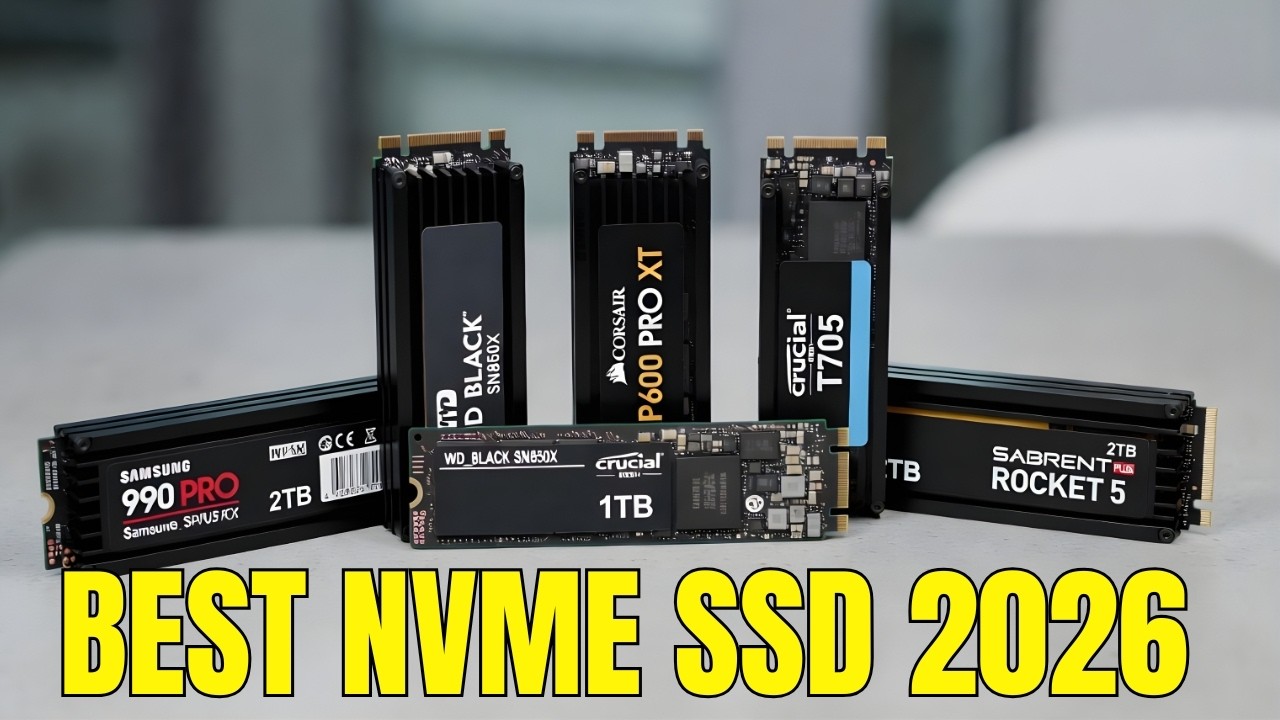
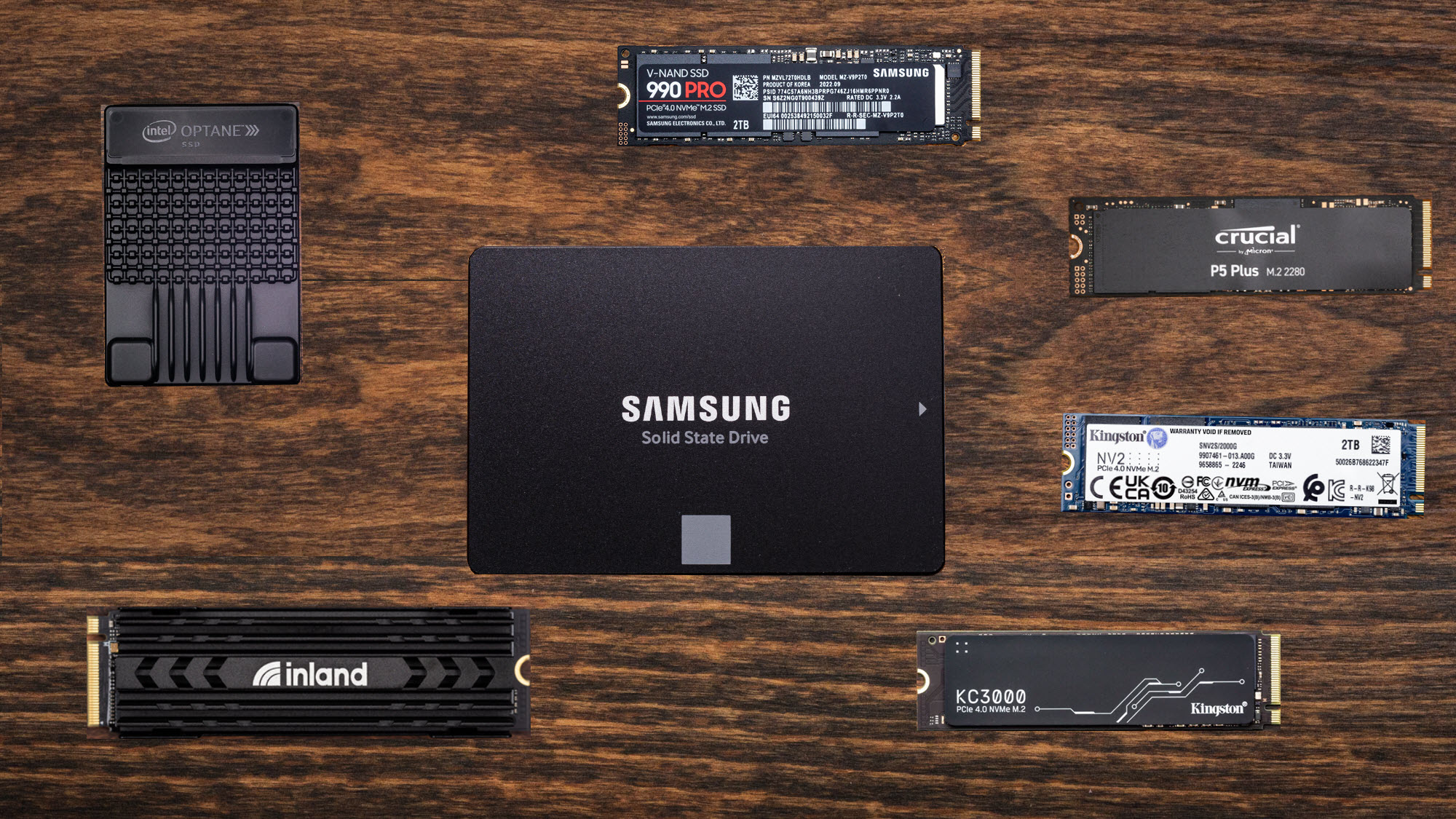
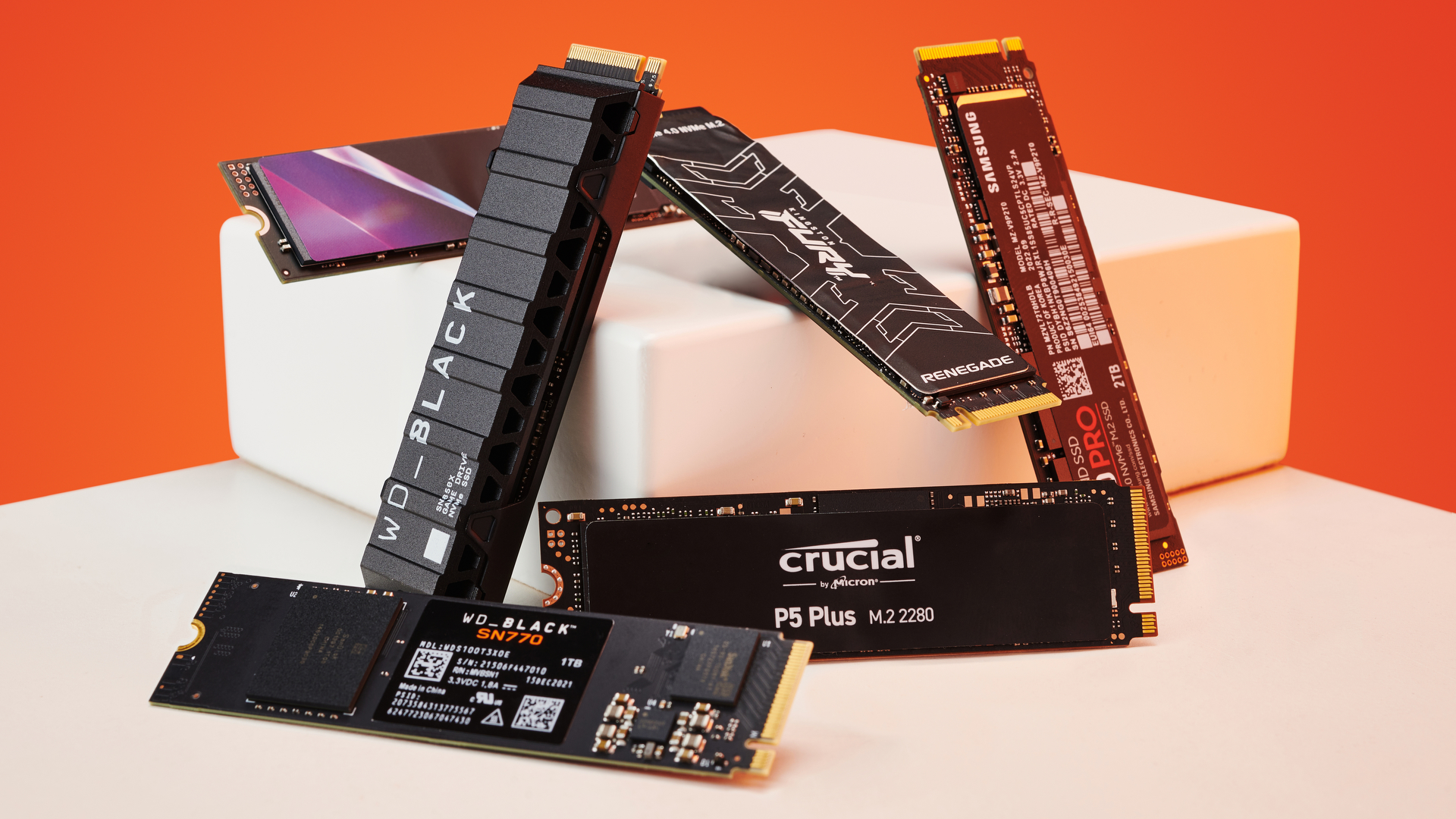
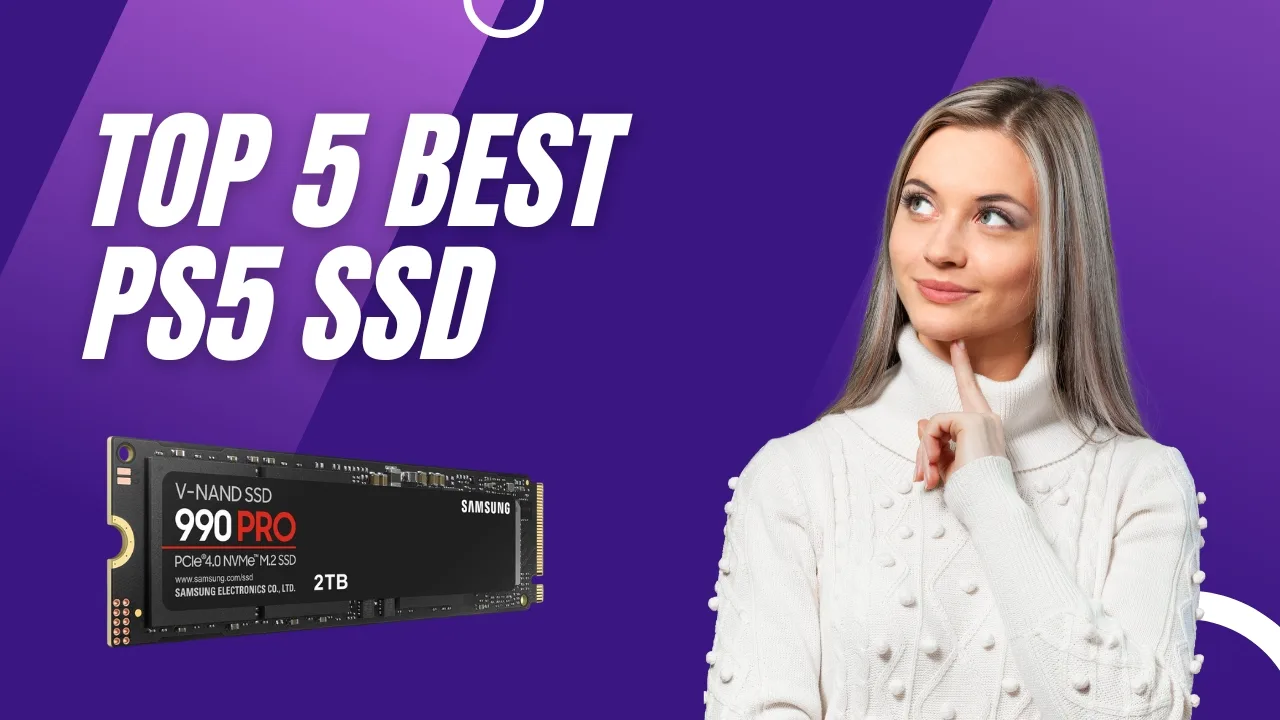
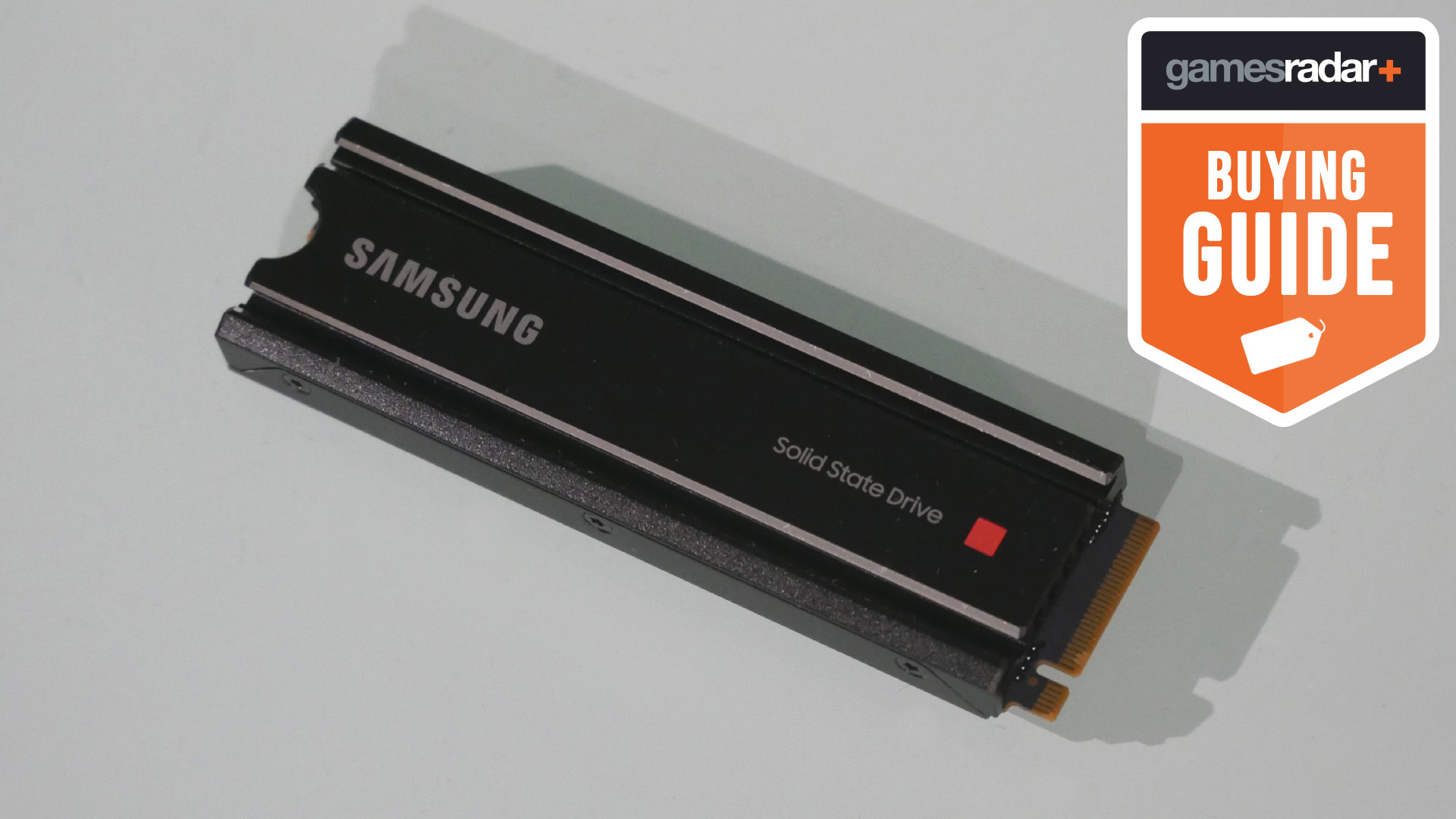
- Samsung: Often considered the gold standard, their 980 Pro and 990 Pro series NVMe SSDs offer top-tier performance and reliability, though they come at a premium price.
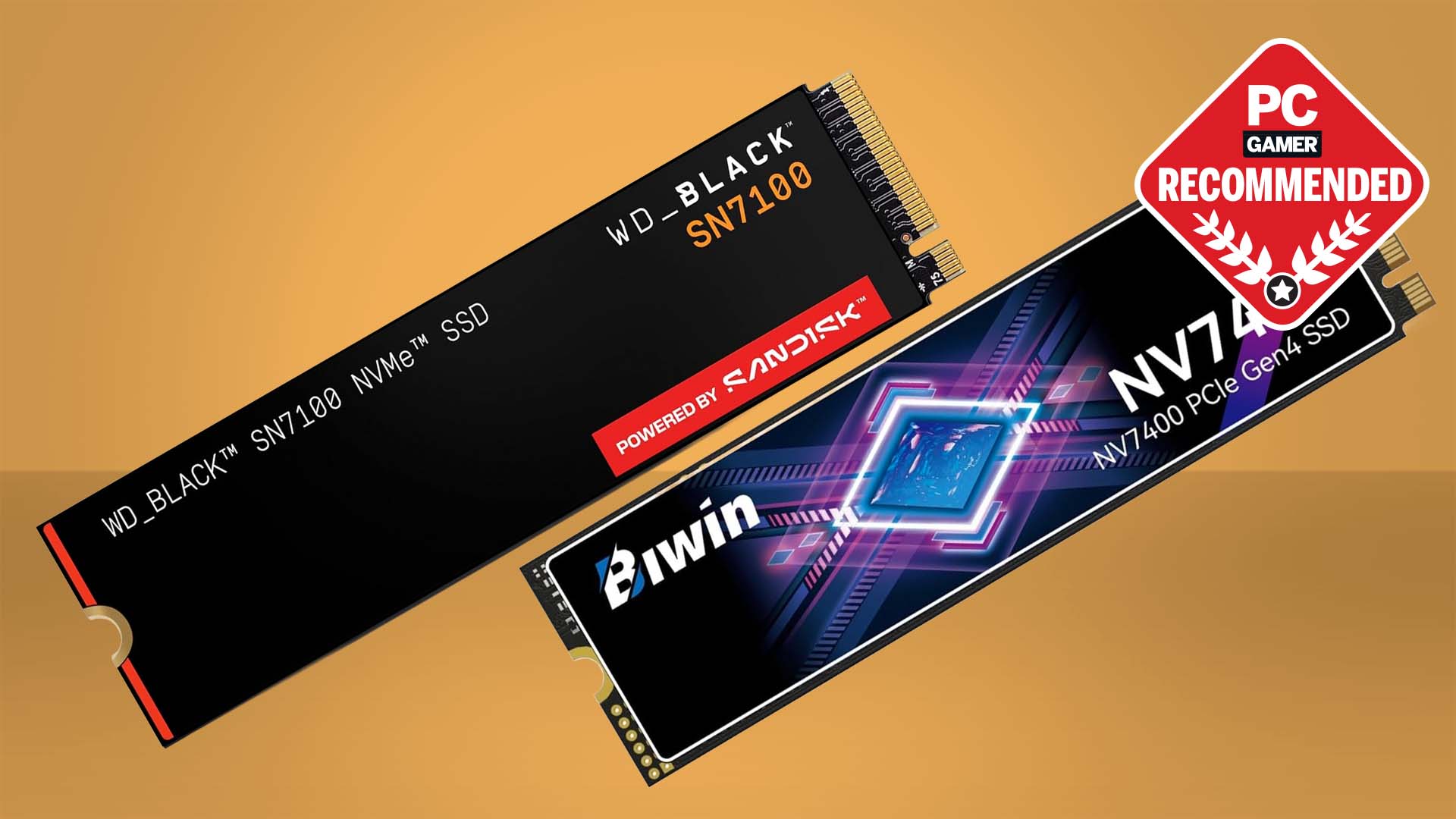
- Western Digital WD Black: The SN850X and SN770 series are excellent NVMe options, providing fantastic speed and endurance, often at a slightly more competitive price point than Samsung.
- Crucial: The P5 Plus and P3 Plus offer great performance for their price, making them solid mid-range choices for gamers on a tighter budget.
- SK Hynix: Gaining significant traction with their Platinum P41 and Gold P31 drives, offering impressive speed and efficiency.
- Kingston: Their KC3000 and FURY Renegade series are also strong performers, especially for gaming.
Always check recent reviews and benchmarks for specific models, as performance can vary even within a brand's lineup. Focus on drives with good random read/write speeds, which are often more important for game loading than sequential speeds, and a decent endurance rating (TBW - Terabytes Written).
How does DRAM cache affect gaming SSD performance and should I prioritize it?
DRAM cache, or a DRAM buffer, on an SSD acts as a high-speed memory area that helps the SSD controller manage data mapping table (FMT). This table keeps track of where all your data is stored on the NAND flash chips. When an SSD has a DRAM cache, the controller can access this map much faster, leading to improved performance, especially with random read/write operations and when the drive is nearly full.
For gaming, DRAM cache is beneficial. It helps maintain consistent performance during intensive operations like loading large game files or handling background updates. While a DRAM-less SSD might offer slightly lower cost, it can sometimes experience performance dips under heavy loads or when transferring very large files, using a portion of the main system RAM or slower NAND flash for caching instead (Host Memory Buffer HMB). For the best gaming experience and long-term consistent performance, especially if this is your primary game drive, prioritizing an SSD with a dedicated DRAM cache is a wise decision. It contributes to snappier overall system responsiveness beyond just game loading.
Are there any common setup issues or performance tips for my new gaming SSD?
Installing an SSD, especially an M.2 NVMe drive, is generally straightforward but a few tips can ensure optimal performance:
- Physical Installation: For M.2 drives, simply slot it into the M.2 slot on your motherboard and secure it with the tiny screw provided. Ensure your motherboard supports the correct PCIe generation. For SATA drives, connect the SATA data and power cables.
- BIOS/UEFI Configuration: After installation, enter your system's BIOS/UEFI. Ensure the SATA mode is set to AHCI for SATA drives. For NVMe, ensure the M.2 slot is enabled and configured correctly. Sometimes you might need to enable PCIe bifurcation or set the boot order.
- Operating System Installation: For a fresh build, install Windows directly onto the SSD. If you're migrating from an old drive, consider a fresh install or use cloning software provided by the SSD manufacturer for a smoother transition.
- Driver Installation: While Windows often installs generic NVMe drivers, check the SSD manufacturer's website for specific drivers that might offer better performance and features.
- Keep it Clean: Avoid filling your SSD to its absolute capacity. Aim to leave at least 10-15% of space free for optimal performance and wear leveling. Windows manages TRIM commands automatically which helps maintain performance.
- Temperature Management: High-performance NVMe SSDs, especially Gen4 and Gen5, can run hot under sustained load. Many motherboards come with M.2 heatsinks. If yours doesn't, consider an aftermarket heatsink to prevent thermal throttling and ensure consistent speeds.
By following these steps, you'll ensure your new SSD is running at peak efficiency, giving you the best possible gaming experience.
Conclusion
Choosing the right SSD for gaming in 2026 doesn't have to be a daunting task. By focusing on NVMe over SATA, aiming for at least 1TB of capacity, prioritizing PCIe Gen4 for a strong balance of performance and value, and selecting reputable brands, you're well on your way to a dramatically improved gaming experience. No more watching paint dry during load screens, just seamless transitions and consistent performance that lets you get straight into the action, unwind, and connect with your friends.
Remember, your gaming time is valuable. Invest in hardware that respects that. What's your biggest gaming challenge with current load times? Comment below!
FAQ Section
What is the minimum recommended SSD size for a primary gaming drive?
The minimum recommended SSD size for a primary gaming drive in 2026 is 1TB. This capacity allows for the operating system and a healthy selection of 8-10 modern AAA titles without constant space management issues, providing a good balance between cost and usability.
Do SSDs really make a difference for frame rates in games?
SSDs primarily impact load times, level transitions, and asset streaming, not direct frame rates. However, by eliminating storage bottlenecks, they can prevent micro-stutters and texture pop-in, which indirectly contributes to a smoother, more consistent perceived frame rate and overall gameplay experience.
Is it worth buying a PCIe Gen5 SSD for gaming right now?
For most gamers in 2026, a PCIe Gen5 SSD is not essential. While offering cutting-edge speeds, the real-world gaming benefits over PCIe Gen4 are currently minimal, and Gen5 drives come at a premium price with specific motherboard and cooling requirements. Gen4 remains the sweet spot for value and performance.
Can I use an external SSD for gaming?
Yes, you can use an external SSD for gaming, especially for consoles or laptops with limited internal space. However, performance might be slightly lower than an internal NVMe SSD due to interface limitations (e.g., USB 3.2 Gen2 or Thunderbolt). They are excellent for portability and less demanding titles.
How long do gaming SSDs typically last?
Modern gaming SSDs are very durable and typically last many years, far exceeding the lifespan of most other PC components. Their lifespan is measured in Terabytes Written TBW and daily usage for gamers rarely exceeds these limits. You'll likely upgrade your PC before your SSD wears out.
What is DirectStorage and how does it relate to SSDs for gaming?
DirectStorage is a Microsoft API for Windows that allows game data to be loaded directly from NVMe SSDs to the GPU, bypassing the CPU. This significantly reduces loading times and overhead, leading to faster asset streaming. Games optimized for DirectStorage will see the most benefit from fast NVMe SSDs, making them a crucial feature for future gaming performance.
Should I move my operating system to my gaming SSD?
Yes, absolutely. Moving your operating system to your gaming SSD, preferably an NVMe drive, is highly recommended. This will drastically improve your PC's boot times, application loading speeds, and overall system responsiveness, making your entire computing experience feel much snappier, which is a great quality of life improvement for busy gamers.
Understand NVMe vs SATA SSDs for gaming assess required storage capacity prioritize sequential read write speeds consider PCIe generation for futureproofing balance performance with budget friendly options install and optimize your new gaming SSD for peak performance.
35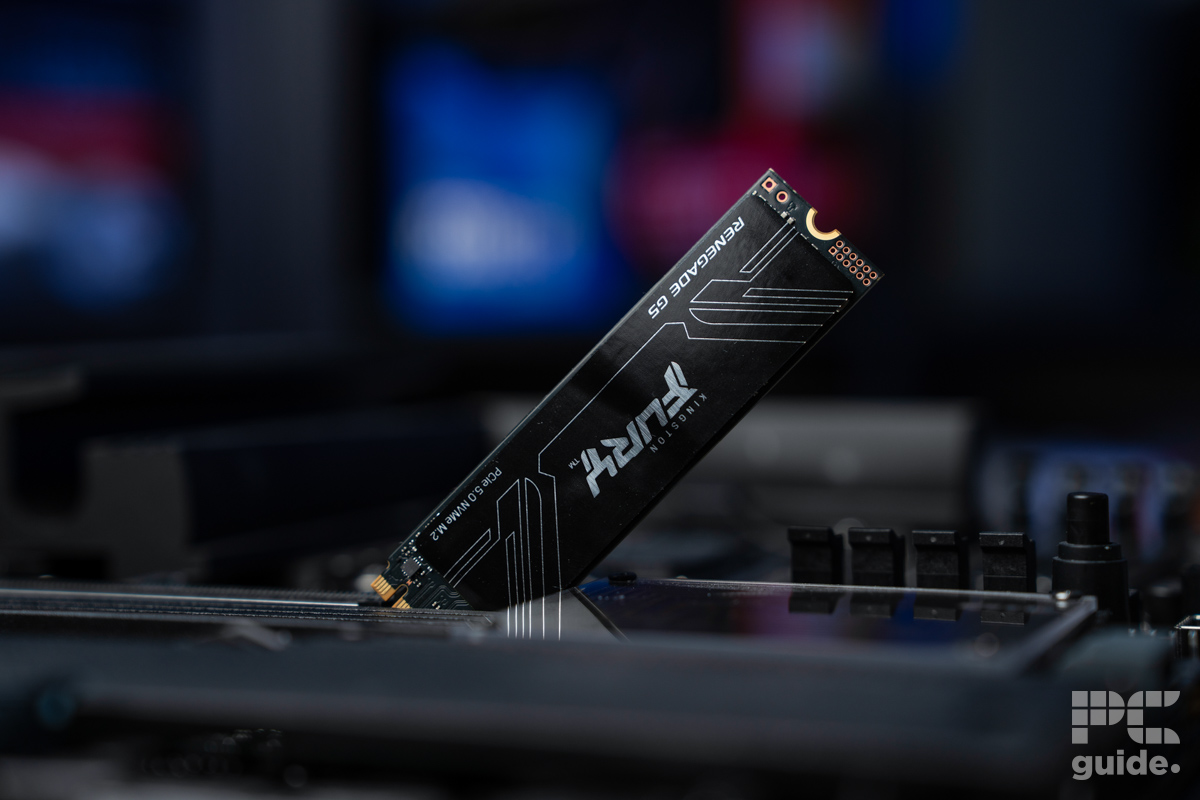


Best SSD For Gaming In 2026 Our Top Picks For Speed Capacity Or Kingston FURY Renegade G5 Image By PC Guide . 10 Best Portable SSDs For Gaming July 2026 Best Portable SSDs For Gaming 768x419 . Best SSD For Gaming 2026 Best Ssd For Gaming 550x309 . How To Choose The Best NVMe SSD For Gaming Como Elegir El Mejor SSD NVMe Para Gaming . Best SSDs For Gaming To Buy In 2026 Top 5 Fastest NVMe SSDs For


Best Gaming SSDs 2026 Performance Review Buyer S Guide Best Gaming SSDs . Best NVMe SSD 2026 Fastest PCIe Gen4 Gen5 SSDs For Gaming PC . Best NVMe SSDs For Gaming 2026 12 Drives Tested Compared Featured Image Udc40xfz . Best SSD For Gaming 2026 Fastest SSDs You Got To Consider YouTube . Our Experts Pick The Best SSDs For Gaming In 2026 Speedy Storage To


Best Graphics Cards For Gaming In 2026 Tom S Hardware . Best Hard Drive For Gaming 2026 SSD Vs HD Gaming PC Guru Best M2 Ssds 2025 800x500 . 16 Best External SSDs For Gaming May 2026 Top Tested Best External SSDs For Gaming 1024x559 . Help Me Choose An SSD Just For Playing Games Faster Loading Times Help Me Choose An Ssd Just For Playing Games Faster Loading V0 . Is A 2TB SSD Enough For Gaming Guide To Choosing The Right Storage 2 Biwin Black Opal Nv7400 Ssd


Best SSDs To Buy For A Gaming PC Build In 2024 Options For All . The 4 Best SSDs For Gaming In 2026 SATA Vs NVMe Best Ssds For Gaming Sata Vs Nvme.webp. Top SSD Picks For 2026 AAA Games Best Ssds For Modern Aaa Titles Preparing For 2026 Banner.webp. How To Choose PC Parts For Gaming 2026 Guide FPS Flow Featured 607 Ssd Speed Fps. The Ultimate Guide To Choosing The Best SSD Upgrade For Your Gaming 86aaa5207 Blog 1920 X 1200


Top 5 Best M 2 NVMe SSDs For Gaming 2026 Find Out Which One DESTROYS . Best SSD For Gaming 2024 Watch Before You Upgrade YouTube . Portable Ssd Best Internal Ssd For Gaming Best SSDs For Gaming Our Top . The Best SSDs For Gaming PCs In 2025 . STOP Buying Bad SSDs Best SSD For Gaming 2025 PC PS5 XBOX

Upgrading Your PC How To Prioritize Components For Maximum Impact Choosing The Right Storage Solution For Gaming SSD HDD Or Hybrid . Top 5 Best PS5 SSDs For 2026 Boost Your Gaming Performance Top 5 Best PS5 SSDs.webp. 14 Best NVMe SSDs For VR Games In 2026 That Boost Performance StrongMocha Top Vr Ssds 2026 Ghnnj . Best SSD For Gaming 2024 Best Gaming Ssd . Best PCIe Gen 5 SSDs For Gaming 2026 Speed Limits Shattered Gaming Product Shot 06.webp

Choosing A SSD For Gaming Differences Explained How To Choose Ssd For Gaming Pc Build Min . Best Alienware Gaming PC 2026 Out Of This World Aurora Builds . 7 Best 2TB NVMe SSDs For Gaming April 2026 Top Tested Best 2TB NVMe SSDs For Gaming 768x419 . Best SSD For Gaming Of 2024 The 5 Best Gaming SSDs Review YouTube . Top High Speed SSDs For 2025 Top SSDs To Upgrade Your Laptop In 2026