Discover how interactive world maps for PowerPoint can transform your presentations making them dynamic and engaging. This comprehensive guide explores various solutions and techniques for integrating clickable, data-rich global maps into your slides. You will learn about popular tools, customization options, and best practices to highlight geographical data effectively. From business reports to educational lectures, these innovative maps offer a powerful visual storytelling medium for any U.S. audience seeking impactful communication. Explore trending features like drill-down capabilities and real-time data integration ensuring your presentations are always relevant and captivating for diverse informational and navigational needs.
Latest Most Asked Questions about Interactive World Map for PowerPoint
Welcome to the ultimate living FAQ about interactive world maps for PowerPoint, updated for the latest trends and tools! We know you've got burning questions about bringing your global data to life in presentations. Static maps are a thing of the past, and dynamic, engaging visuals are here to stay. This comprehensive guide will tackle the most common queries, providing you with practical answers and tips to transform your slides into immersive experiences. Get ready to impress your audience with maps that inform, engage, and inspire action across the United States and beyond.
Beginner Questions
How do I create an interactive map in PowerPoint?
Creating an interactive map in PowerPoint typically involves using either third-party add-ins or native PowerPoint features. With add-ins, you can easily import data and generate clickable maps with customizable regions. Alternatively, you can layer transparent shapes over a static map image and assign hyperlinks to these shapes, directing them to other slides containing detailed information for a simulated interactive effect.
Can PowerPoint maps show real-time data?
While standard PowerPoint doesn't natively support real-time data feeds for maps, some advanced third-party add-ins or external tools can link to live data sources. These specialized solutions often allow for dynamic updates when the presentation is refreshed or opened. For most users, it's common to update the data manually before a presentation to ensure accuracy.
Are there free interactive world map templates for PowerPoint?
Yes, several websites offer free interactive world map templates, often in SVG or editable PowerPoint formats. These templates usually provide pre-designed maps where you can modify colors, text, and sometimes add hyperlinks. While they might not offer the full functionality of premium add-ins, they are an excellent starting point for basic interactive presentations and visual exploration.
Advanced Features and Customization
How can I make specific countries clickable on a map in PowerPoint?
To make specific countries clickable, insert a world map image into your slide. Then, create transparent shapes over each country you want to interact with. Right-click each shape, select 'Hyperlink,' and link it to another slide with detailed information or a specific webpage. Remember to add a 'back' button on the detail slides to return to your main map.
What are the best add-ins for interactive maps in PowerPoint?
Several excellent add-ins enhance map interactivity in PowerPoint. Popular choices include 'Maps for Office' (often built-in with newer Office versions), 'SlideUp' for more dynamic charting, or specialized GIS-based tools that integrate with PowerPoint. The 'Maps for Office' feature within PowerPoint can directly link data to geographical regions, offering a user-friendly way to visualize information directly on a world map.
Can I integrate data from Excel into an interactive PowerPoint map?
Absolutely, integrating Excel data into an interactive PowerPoint map is a key feature of many solutions. Most third-party add-ins and even PowerPoint's built-in map chart feature allow you to link directly to an Excel spreadsheet. This enables automatic color-coding of countries or regions based on your numerical data, providing powerful data visualization capabilities that update as your Excel data changes.
How do I zoom into a specific region on an interactive map?
Zooming into a specific region on an interactive map in PowerPoint depends on the method used. If you're using an add-in, it often includes built-in zoom and pan functionalities. For maps created with native PowerPoint hyperlinks, you would typically hyperlink to a separate slide that displays a zoomed-in image of the specific region, maintaining the illusion of zooming.
Troubleshooting and Tips
Why isn't my interactive map working in presentation mode?
If your interactive map isn't working in presentation mode, first check all hyperlinks to ensure they are correctly assigned to the target slides or URLs. Make sure the shapes you used for interactivity are not behind other objects. If using an add-in, confirm it's properly installed and enabled within PowerPoint. Sometimes, simply restarting PowerPoint can resolve minor glitches. Ensure your PowerPoint version supports the features you are using.
Still have questions?
If you're still wondering about how to perfect your interactive maps, you're not alone! Many users ask about incorporating advanced animations or custom styling. The most popular related question is often 'How do I add custom data points to my interactive map?', which typically involves using an add-in's custom data import feature or manually placing graphics and linking them.
Hey everyone, have you ever found yourself wondering, Can you really make a world map interactive in PowerPoint? It’s a common question, and honestly, the answer is a resounding yes! And let me tell you, it completely changes the game for your presentations. You know, bland static maps just don't cut it anymore; people expect more engagement these days. We’re all used to dynamic content online, so why should our slides be any different for a truly compelling story?
Think about it, you’ve got crucial global data to share, right? But if your audience is just staring at a flat image, they’re probably not retaining much of that important information. That’s why interactive world maps are becoming such a huge deal for anyone presenting internationally. They let your viewers actively explore regions, click on countries, and uncover specific details right there on the screen. It really makes your information more memorable and super impactful for everyone involved.
Why Interactive Maps are a Game Changer for Presentations
So, what exactly makes these interactive maps so incredibly useful for any kind of presentation? Well, they bring your data to life in a way static images simply cannot achieve on their own. Instead of just telling people about global trends, you can actually show them with vivid, clickable visuals. This deep level of engagement is something every presenter strives for when communicating complex topics.
You see, static maps often overwhelm an audience with too much information all at once, or perhaps not enough. An interactive map allows you to reveal layers of data precisely when you need to. It’s like having a guided tour through your data, allowing your audience to follow along easily. This dynamic approach ensures your key messages land much more effectively with your target demographic.
Enhancing Audience Engagement and Understanding
Interactive maps really captivate your audience, drawing them directly into your data story with compelling visuals. People tend to remember things they interact with far better than passive information.
They simplify complex geographical data, making it super easy for anyone to understand at a glance. It's about breaking down barriers to comprehension.
These tools allow for personalized exploration, letting viewers focus on regions that matter most to them. This helps foster a deeper connection to your content.
Interactive elements encourage active participation, which boosts information retention significantly for every listener. No one wants a boring presentation after all.
They’re perfect for illustrating global trends, market penetration, or even demographic shifts across different continents. Imagine showing real-time updates.
How to Create Interactive World Maps for PowerPoint
You’re probably thinking, how do I actually get one of these awesome interactive maps into my PowerPoint presentation? Well, it’s easier than you might initially imagine, I promise. There are a few different paths you can take, depending on your technical comfort and budget. Some methods involve third-party add-ins, while others use built-in PowerPoint features with a bit of clever linking.
One popular way involves using specialized add-ins designed specifically for this purpose, and they often provide robust features. Another approach uses hyperlinks within PowerPoint shapes to simulate interactivity, which is more manual but totally doable. I've tried both myself, and honestly, the add-ins save a ton of time if you do this often. It really simplifies the process quite a bit.
Using Third-Party Add-ins and Tools
Many specialized add-ins, like Maps for Office, integrate directly into PowerPoint, offering ready-made interactive maps. They're usually quite intuitive to use.
These tools often come with extensive libraries of geographic data and customizable visual themes for seamless integration. You can usually tailor them to your brand.
You can usually import your own data, like sales figures or population statistics, to automatically color-code regions. This makes data visualization incredibly simple.
Some even allow for drill-down functionality, letting you click from a continent to a specific country or state. This level of detail is truly impressive.
Popular options include tools that create SVG maps, which are scalable vector graphics, ensuring crisp visuals at any zoom level. No more pixelated maps, thankfully.
Leveraging PowerPoint's Native Features
You can create a basic interactive effect using multiple slides and hyperlinks within PowerPoint itself. It involves a bit more manual work.
Start with a base world map image, then overlay transparent shapes on each country you want to make clickable. These shapes will be your interactive elements.
Assign a hyperlink to each shape, directing it to a specific slide containing detailed information about that country. This creates a branching navigation path.
Remember to include a 'back' button on your detail slides to return to the main world map view. Navigation needs to be smooth for your audience.
While more basic, this method works without any extra software, making it accessible to everyone with PowerPoint. It's a great starting point for experimentation.
Best Practices for Your Interactive Map
When you're putting together your interactive world map, there are a few key things to keep in mind to make it truly effective. It's not just about getting the map on the slide; it’s about making it user-friendly and visually compelling. Honestly, I've seen some maps that look cool but are impossible to navigate, and that just frustrates the audience.
You want your map to enhance your message, not detract from it with confusion or clutter. Clear labeling, intuitive navigation, and a consistent visual style are absolutely paramount. Always think about your audience's experience and what information they need most from your visual aid. It really makes a huge difference in the overall impact.
Tips for Optimal User Experience
Keep the design clean and uncluttered; too much information at once can overwhelm your viewers. Simplicity often leads to clarity for everyone.
Ensure that interactive elements, like clickable regions, are clearly indicated and easy to select. Use visual cues like highlights or tooltips.
Use a consistent color scheme that aligns with your presentation's branding and makes data points easy to distinguish. Colors convey meaning quickly.
Provide clear instructions on how to interact with the map, especially if your audience is unfamiliar with such tools. A brief guide is very helpful.
Test your interactive map thoroughly before presenting to catch any broken links or navigation issues. You don't want surprises during a live presentation.
So, there you have it; interactive world maps for PowerPoint are totally within reach and honestly, they're a total game-changer for engagement. Whether you opt for a slick add-in or get creative with PowerPoint's native features, the impact on your audience will be undeniable. I think it’s a smart move for any presenter looking to elevate their content. Does that make sense? What exactly are you trying to achieve with your next presentation?
Dynamic data visualization, Engaging presentations, Geographic insights, Customization options, Easy integration, Enhanced storytelling, Interactive features, Data mapping tools, Global trend analysis
35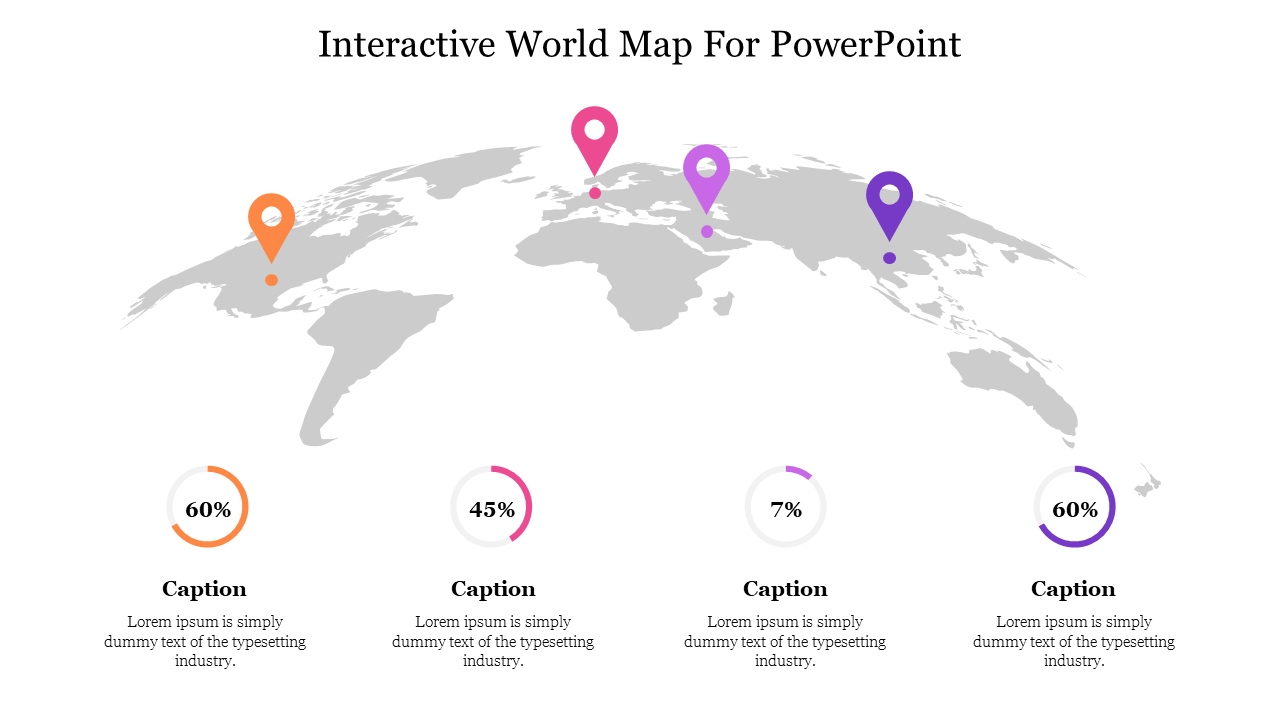
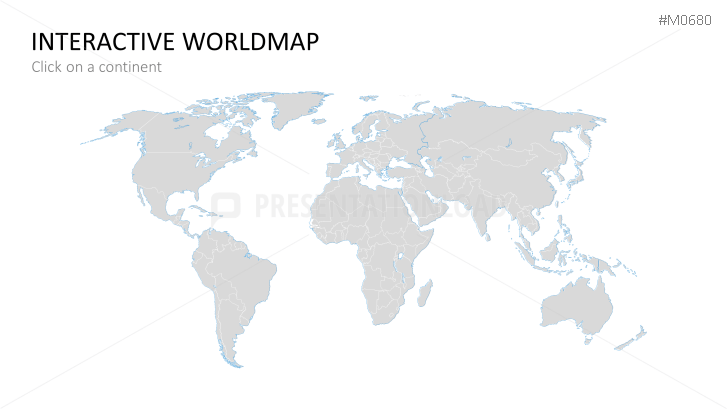

Interactive World Map For PowerPoint Slide 703412 Interactive World Map For Powerpoint . Interactive World Map Interactive World Map M0680 001 16x9 EN Xl . Interactive World Map For PowerPoint Interactive World Map M0680 003 16x9 EN Xl . Interactive World Map For Powerpoint Original 10809547 1 . World Maps Powerpoint Template Templates By Canva Interactive World Map M0680 001 EN Xl
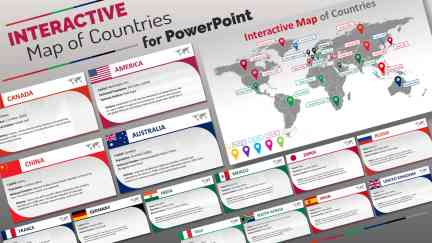
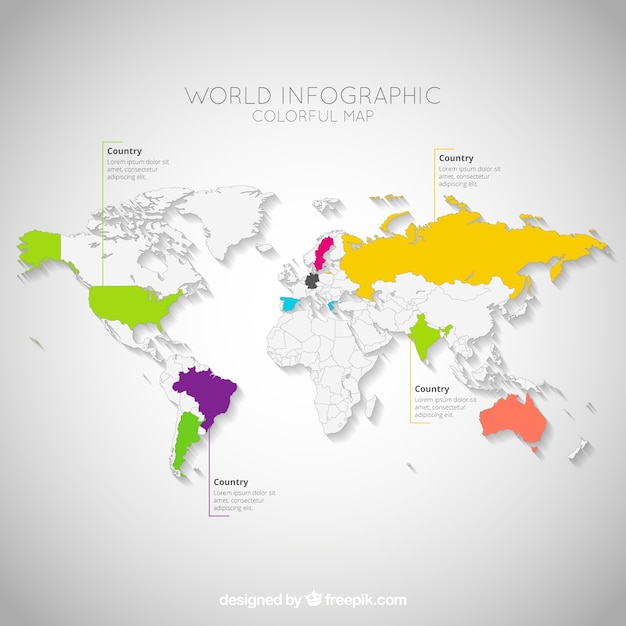
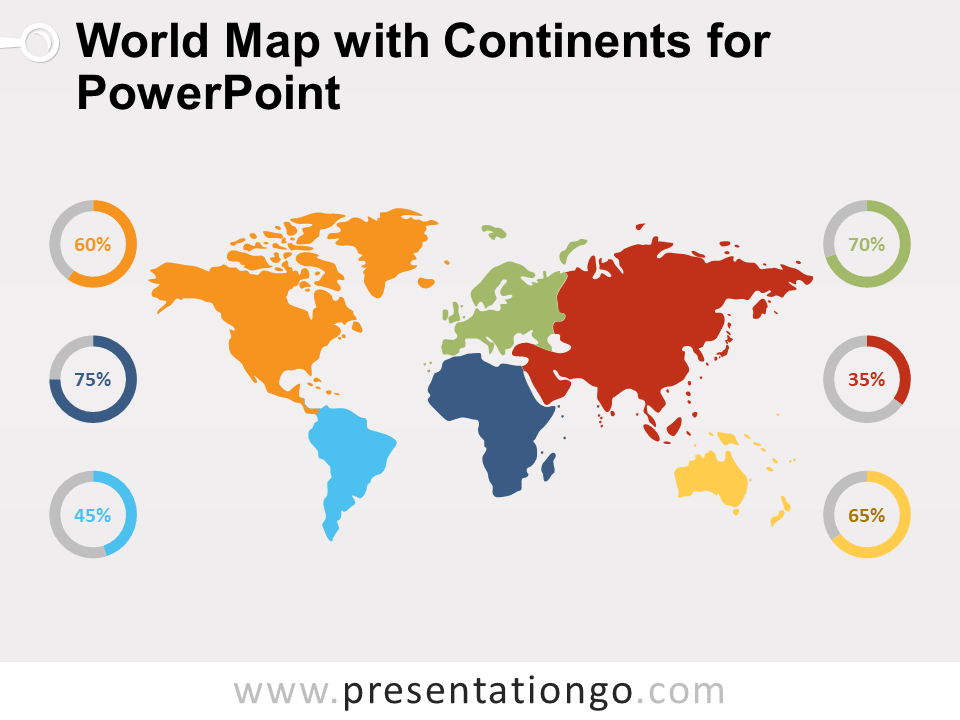
Interactive World Map Countries PowerPoint Template Interactive PowerPoint World Map Countries PowerPoint Template 30802 Sm . World Map 2026 Images Free Download On Freepik Colorful World Map Infographic 23 2147523433 . Interactive World Map For PowerPoint Slide 80265 World Map Powerpoint 176.webp. Free World Map For Powerpoint Free World Map Powerpoint Templates IAHPB World Map Continents PowerPoint . World Map Animated PowerPoint Template YouTube


Interactive Maps Power Up Your PowerPoint Interactive World Map M0680 002 16x9 EN Xl . Interactive World Map For Powerpoint World Wide Map In PowerPoint 1 . World Map Powerpoint Template World Map PowerPoint Template Free Slide Black . World Map 02 Powerpoint Template World Map Globe PowerPoint Template 1 . Download Black PowerPoint Templates Google Slides Themes SlideUpLift Animated World Map PowerPoint Template 0944
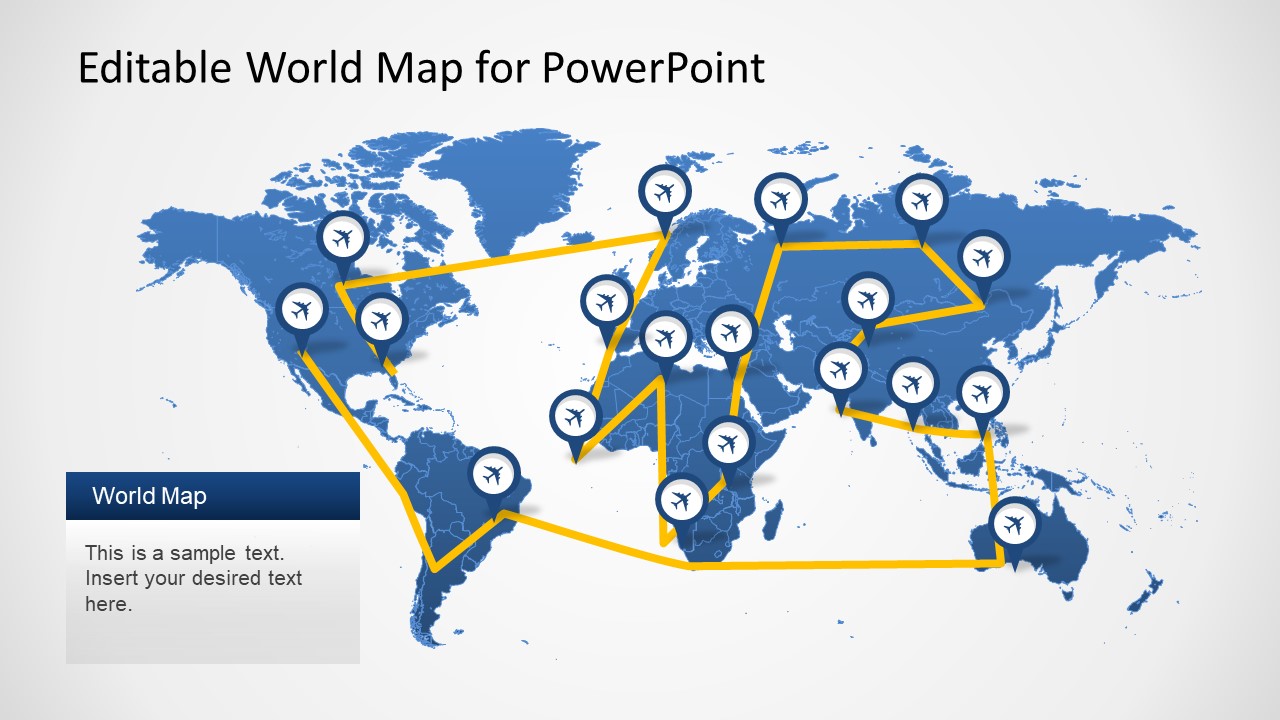
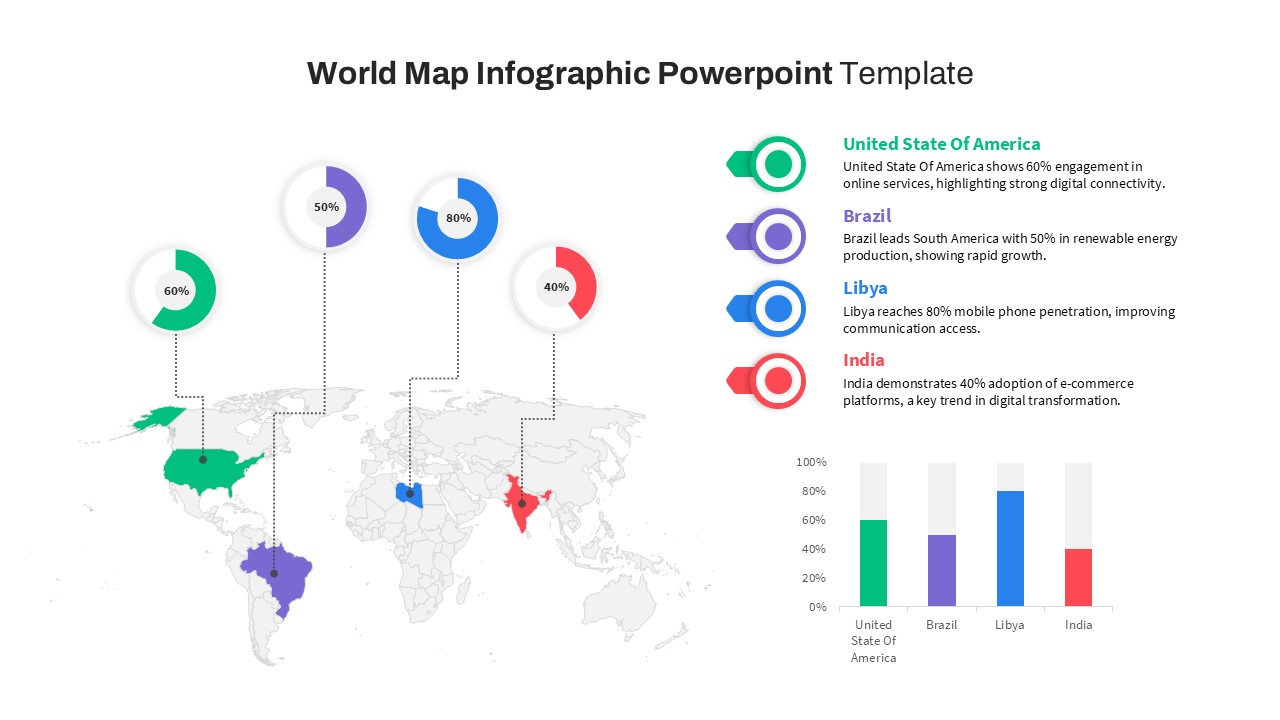

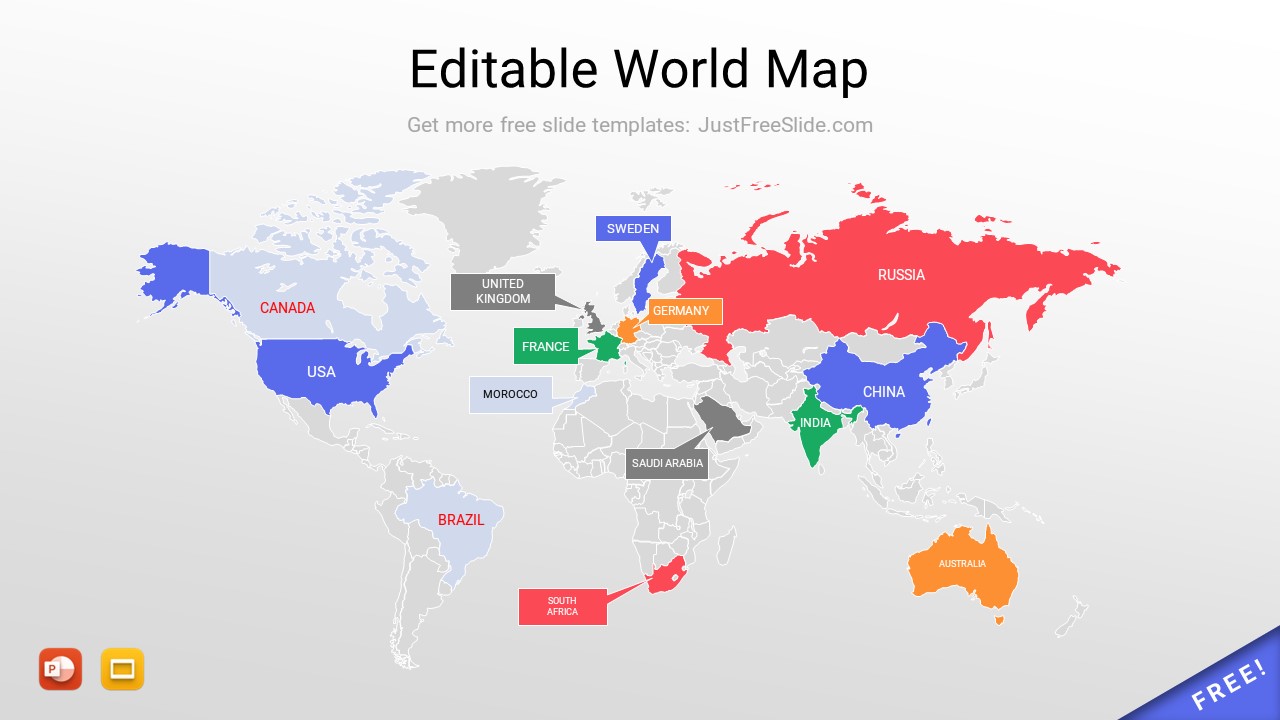
Editable Worldmap For PowerPoint SlideModel 8349 01 Editable World Map 16x9 2 . Powerpoint Global Map Template World Map Infographic PowerPoint Template Featured Image . Editable Worldmap For PowerPoint SlideModel 8349 01 Editable World Map 16x9 1 . World Map Highlight Countries Powerpoint Free Template Infoupdate Org World Map Infographic Powerpoint Google Slides Keynote Template 1 . Powerpoint Editable World Map
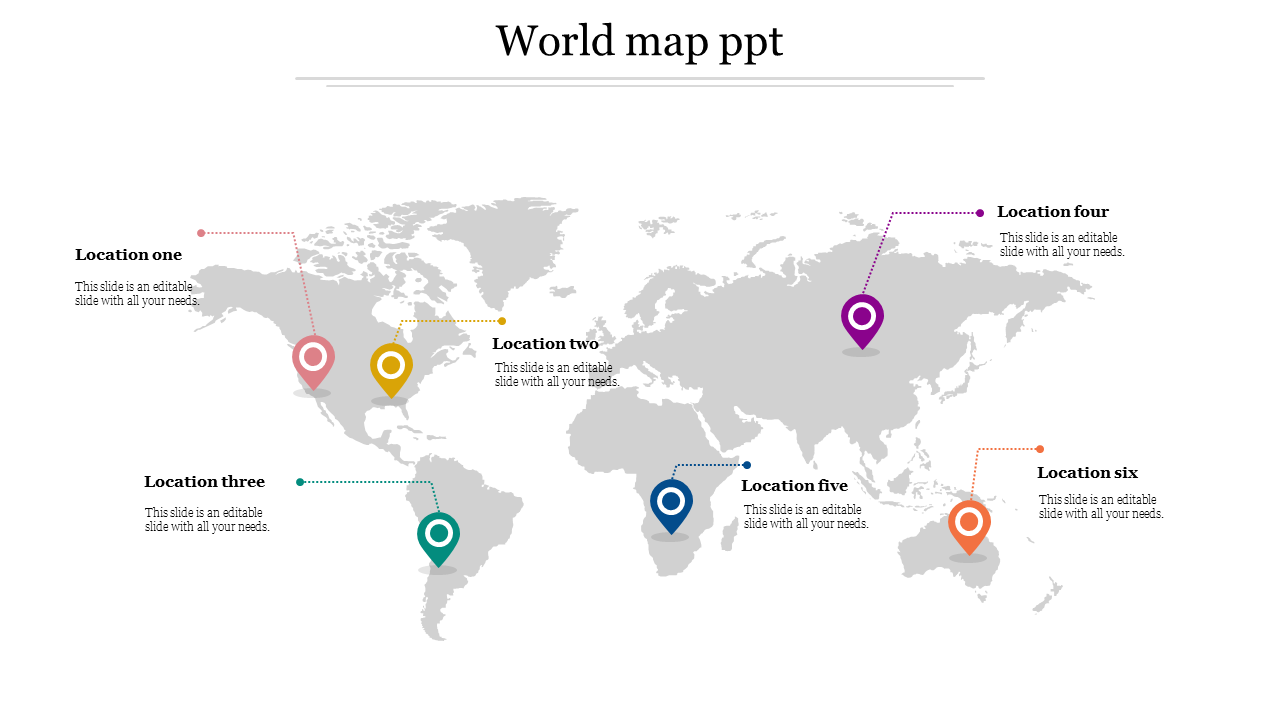
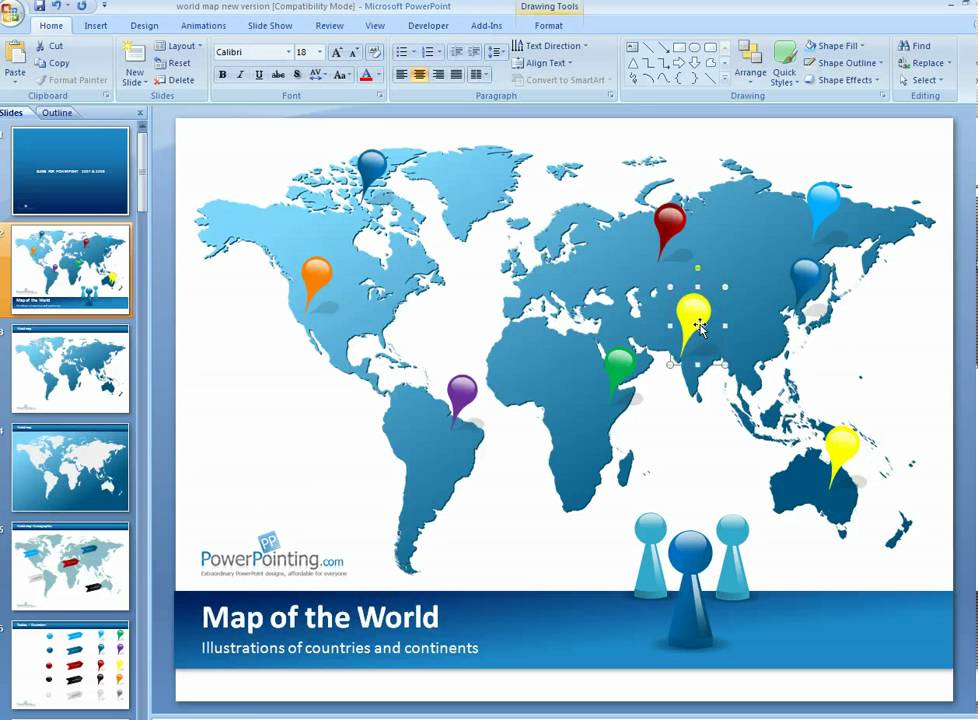


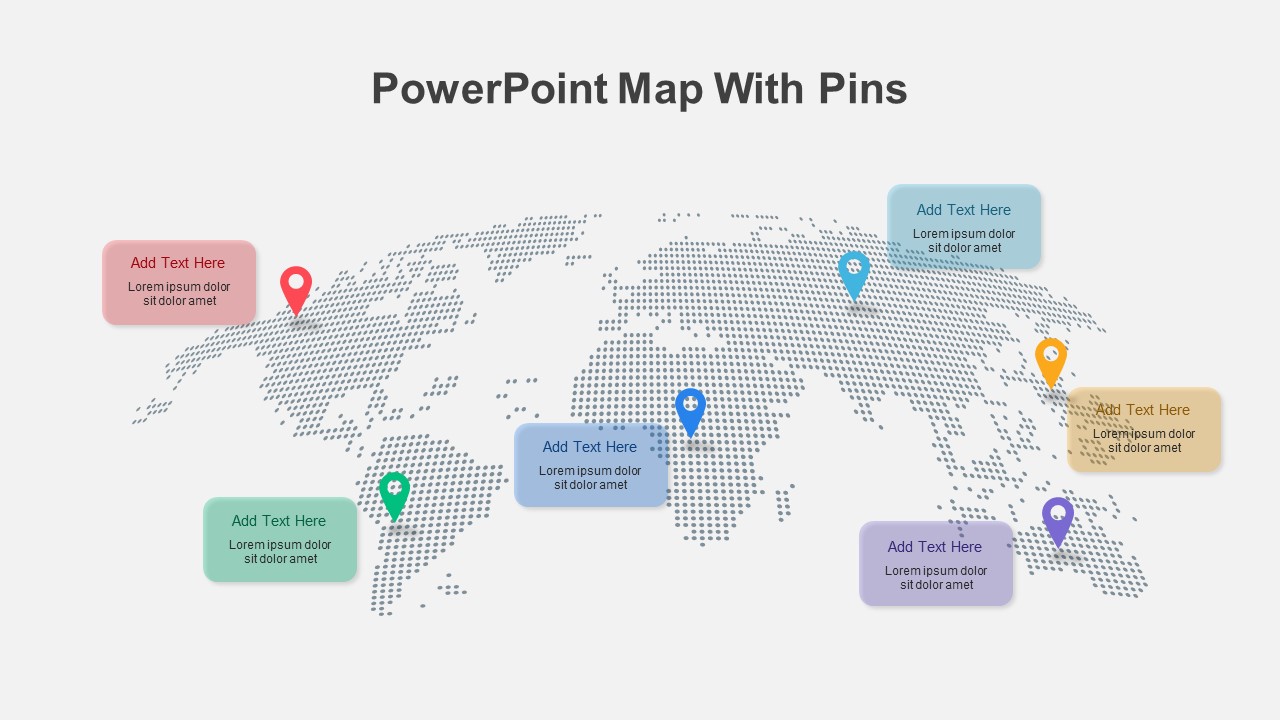
World Map PowerPoint Template Google Slides 74598 World Map Ppt . How Do I Insert A World Map In Powerpoint . How To Make An Interactive Map Powerpoint . How To Insert World Map In Powerpoint Slide1 45 . World Map PowerPoint Template Free SlideBazaar PowerPoint Map With Pins
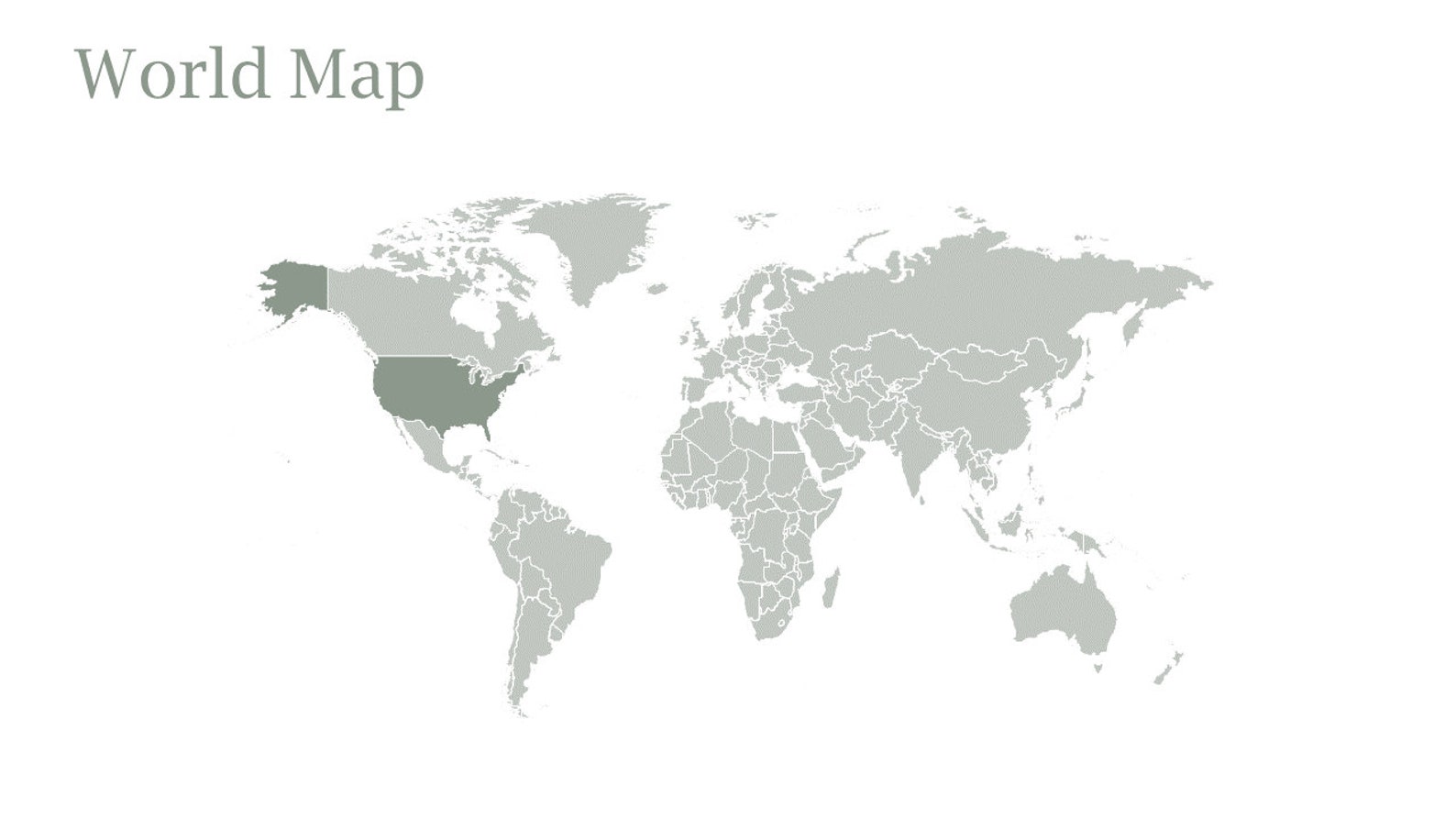

Editable World Map Powerpoint Template Etsy Il 39zk . Animated Continental PowerPoint Template SlideModel 4006 01 Continental Powerpoint Template 1 . How To Create An Interactive Map In Powerpoint INTERACTIVE MAP IN POWERPOINT . Editable Map Template Free Word Template 1 Summary All Images . Editable World Map Powerpoint Template World Map Slide1


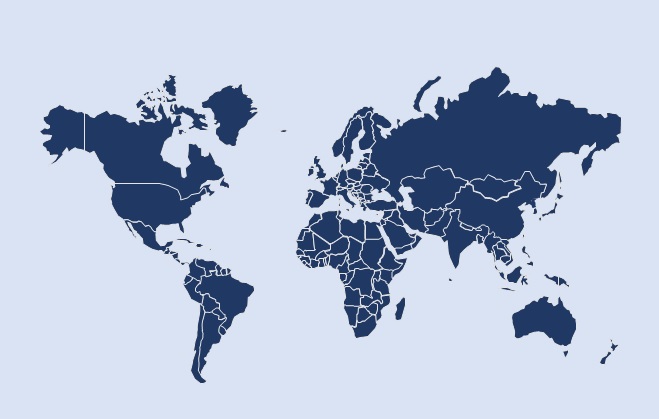
Interactive World Map Countries PowerPoint Template Slide01 . World Outline Simple Free World Map Outline Sample Powerpoint World Fully Editable World Map PowerPoint Template 1200x675 . Template Powerpoint Map At Pedro Guevara Blog World Map PowerPoint Template Preview 1 . World Map Charts Powerpoint Fully Editable Templates World Map Il P0wv . Here S A Beautiful Editable World Map For PowerPoint Free World Map